Category: Hiroshima

  • Hiroshima Part 2: Reflecting on history in Hiroshima, Japan

    Hiroshima Part 2: Reflecting on history in Hiroshima, Japan

    When my friend asked me where I wanted to go in Japan, Hiroshima was at the top of the list. In my view, it’s essential to remember the past in order to learn from it and shape a better future. 

    After we returned from Miyajima Island, we headed for a special lunch. I am gluten-free plus I cannot eat seafood due to an allergy. It takes some work to avoid both in Japan but my friend had me covered. She found the one Okonomiyaki restaurant in Hiroshima that can make it gluten free! Ken-San, the chef, has a wheat allergy as well. He even wears a mask when cooking so he doesn’t breathe in all the wheat.

    Gluten free Okonomiyaki

    I love Okonomiyaki and miss it terribly since I went gluten free. Ken-San used a separate pan and rice flour instead of wheat flour. He even shared stories (translating via our phones) about his family. His mother is a A-Bomb survivor. She was 9 when the bomb was dropped but she was protected by the side of the mountain. However, she has an auto immune disease that makes moving very painful. Her disease was caused by the after effects of the radiation.

    FYI- Okonomiyaki is a Japanese teppanyaki pancake-like dish consisting of wheat flour batter and other ingredients (cabbage, meat, seafood) mixed in and cooked on flat griddle. It’s served with a special sauce. 

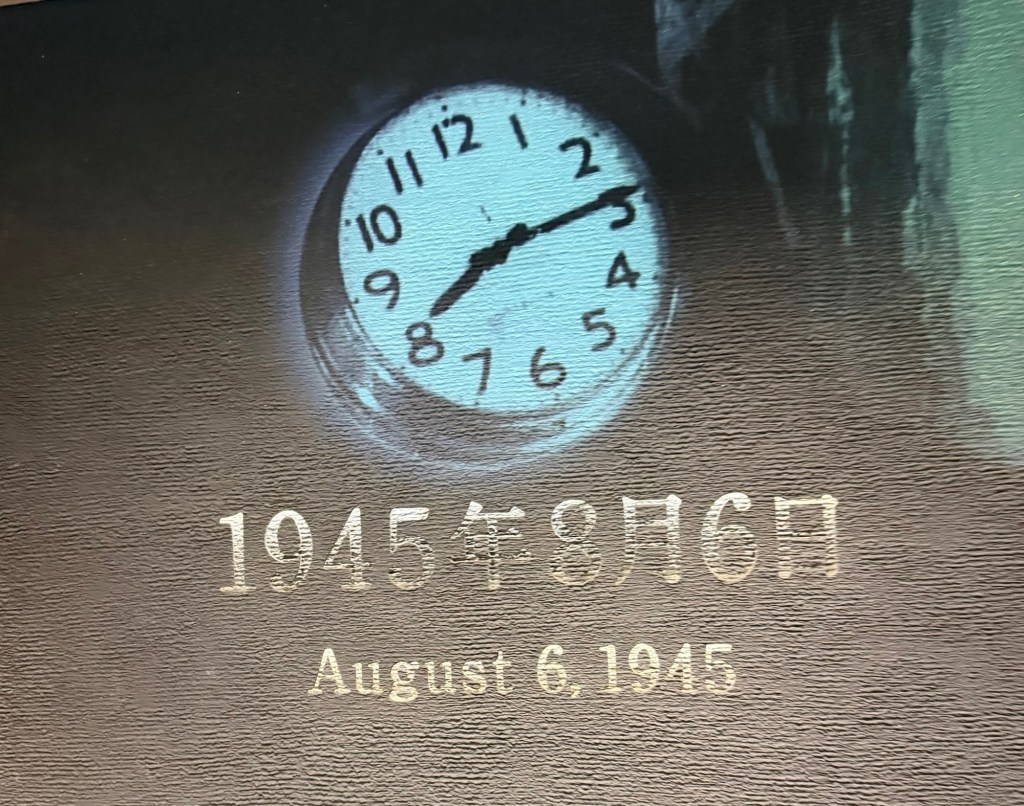
    After lunch we visited the Hiroshima Peace Memorial Museum. If you visit Hiroshima, I can’t stress enough how important it is to experience this museum. Before entering, there is a sign for parents and teachers, encouraging them to prepare children for the exhibits. Adults—take that same advice and prepare yourselves. It is informative, moving, and, at times, very difficult to digest, but the museum is essential for understanding the full impact of the atomic bombing on August 6, 1945. Artifacts from the time (including children’s clothing), personal stories of survivors, and detailed historical accounts bring the past to life in a way that is both heartbreaking and eye-opening. When the bomb was dropped, 200,000+ people perished that day or after due to radiation exposure. Some died years later from diseases caused by the bomb. Ken-San recommended a Japanese documentary called Silent Fallout and talked about how we were all victims of the atomic bomb—including those in the USA. We know this first hand due to Cold Water Creek where I grew up in Florissant, Missouri.

    Next we went to the  Hiroshima Peace Memorial Park. This beautiful park is dedicated to the memory of the lives lost during the atomic bombing on August 6, 1945.

    Hiroshima Peace Memorial Park –
    The Cenotaph for A-bomb victims contains the names of those who perished and symbolizes a resting place for their souls.
    The Hiroshima Flame or the Peace Flame represents the spirits of the victims of the atomic bombing and hope for world peace. The eternal flame is intended to stay lit until all nuclear weapons are abolished.
    Monument to the Victims of the Atomic Bombing – This memorial pays tribute to those who lost their lives.
    Children’s Peace Monument honors the memory of the children who died as a result of the bombing. There is a statue of Sadako Sasaki, a young girl who developed leukemia due to radiation exposure. Her story is featured in the museum. The monument is surrounded by colorful origami cranes folded by children from around the world.

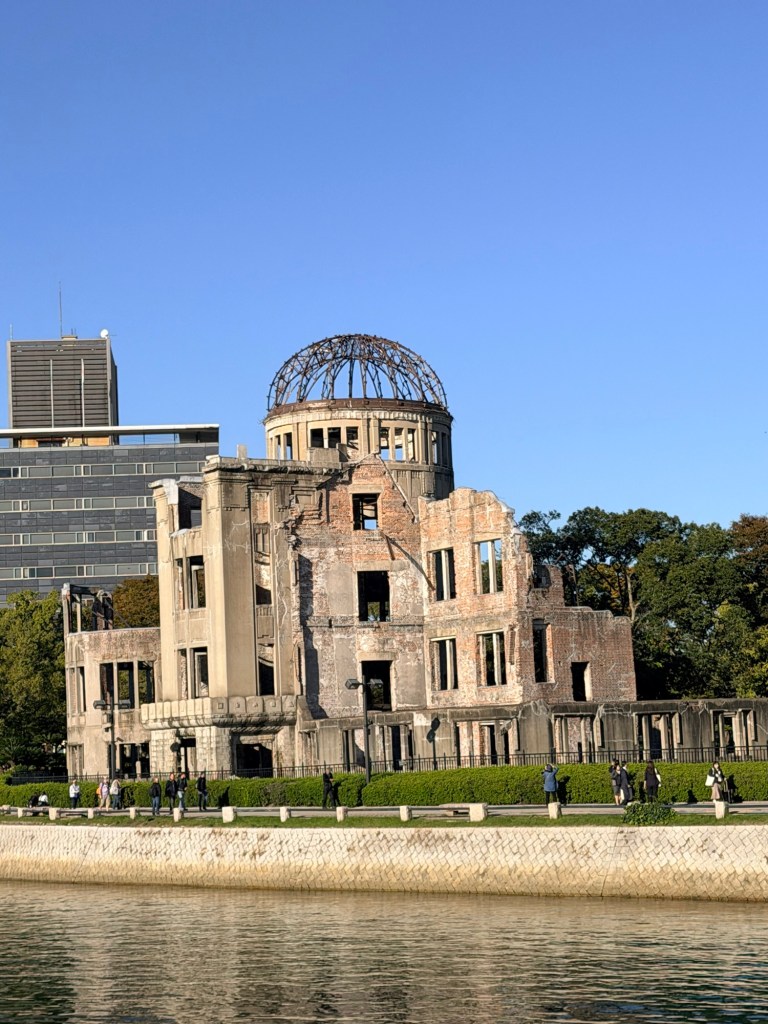
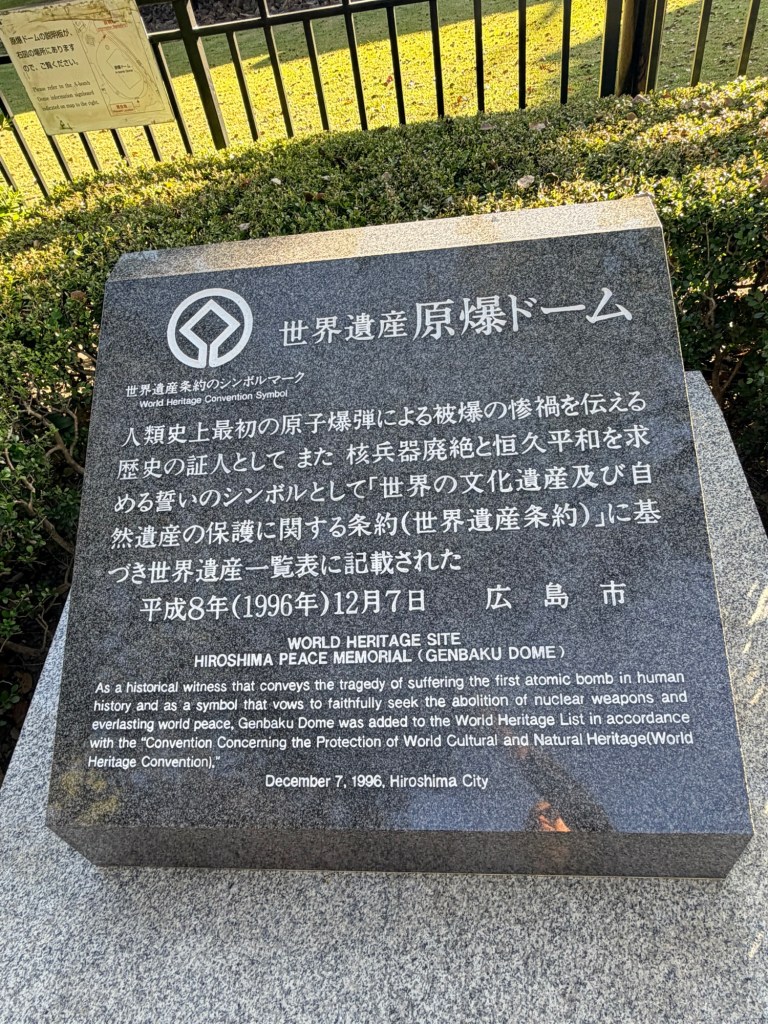
    The focal point of the park is the Atomic Bomb Dome, which stands as a haunting reminder of the destruction the bomb brought to the people of Hiroshima. It is a UNESCO World Heritage Site and one of the few structures that partially survived the atomic bombing. Built in 1915 as the Hiroshima Prefectural Industrial Promotion Hall, it was a symbol of Hiroshima’s industrial and cultural life. On that fateful day, the bomb exploded approximately 600 meters (1,968 feet) above the dome, making it one of the few buildings close to the hypocenter that remained standing.

    The Atomic Bomb Dome is a powerful symbol of remembrance and peace.

    Atomic Bomb Dome was preserved as a memorial to the victims of the bombing. It represents the horror of nuclear weapons and the resilience of the human spirit.

    We all felt the weight of history pressing down as we moved through the memorials. While the people of Hiroshima continue to inspire hope, it’s up to all of us to advocate for a world without war. 

    Spirit
  • Hiroshima – our amazing morning on Miyajima Island🍋 🦌

    Hiroshima – our amazing morning on Miyajima Island🍋 🦌

    From Himeji we made our way to Hiroshima via the bullet train and checked into the Grand Intelligence Hotel near the station. After a bite to eat at a popular restaurant called Caffe Ponte, and ice cream cones 🍦 that put all other ice cream cones to shame, we fell into bed!

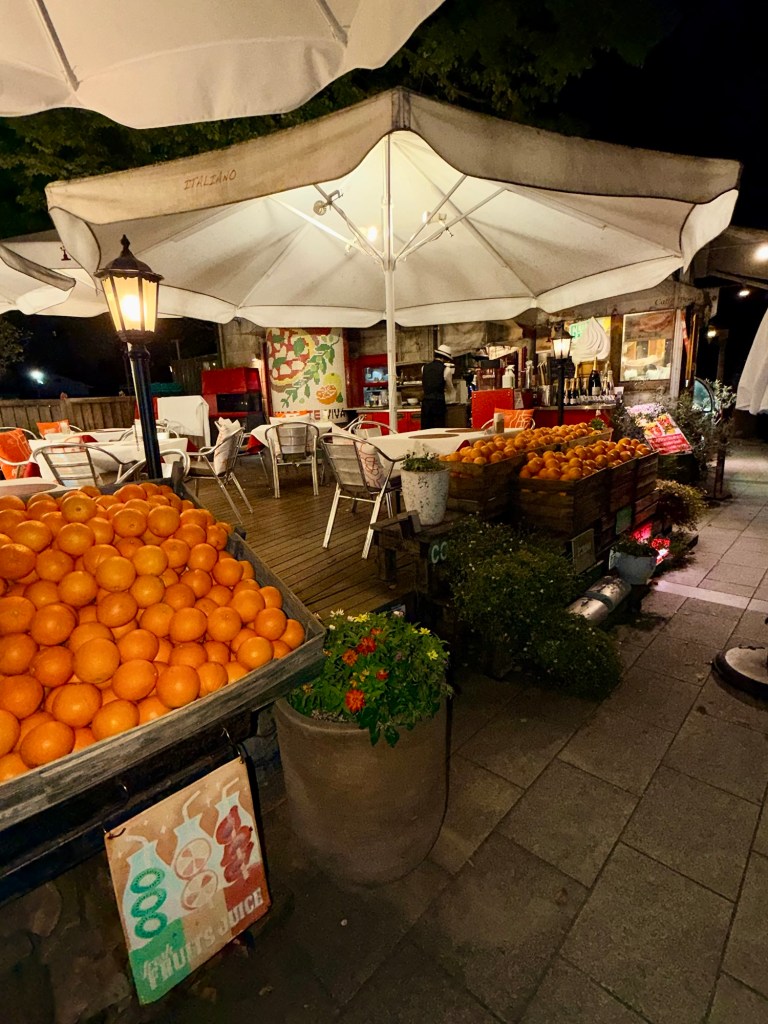
    Caffe Ponte in Hiroshima🍊🍋 where they have a gluten free menu!
    Yes, they were as good as they look!🍦 Chocolate ice cream and lemon sorbet.

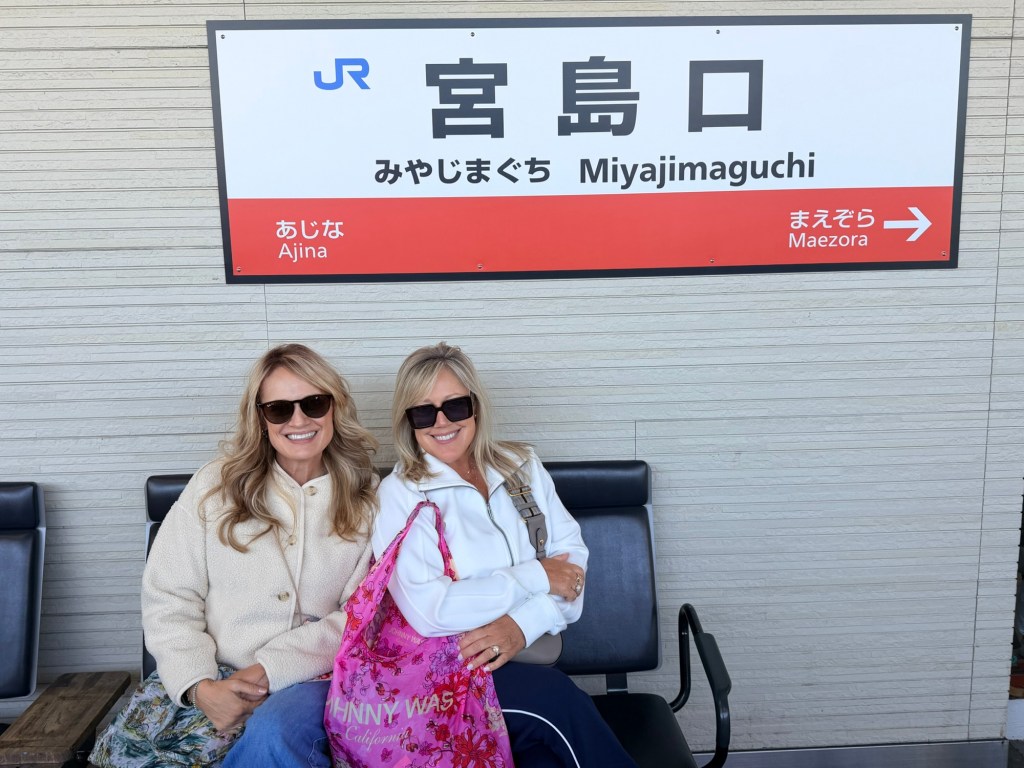
    We were ready to go by 8:00 am, taking the train to the ferry station for the short ride to Miyajima Island.

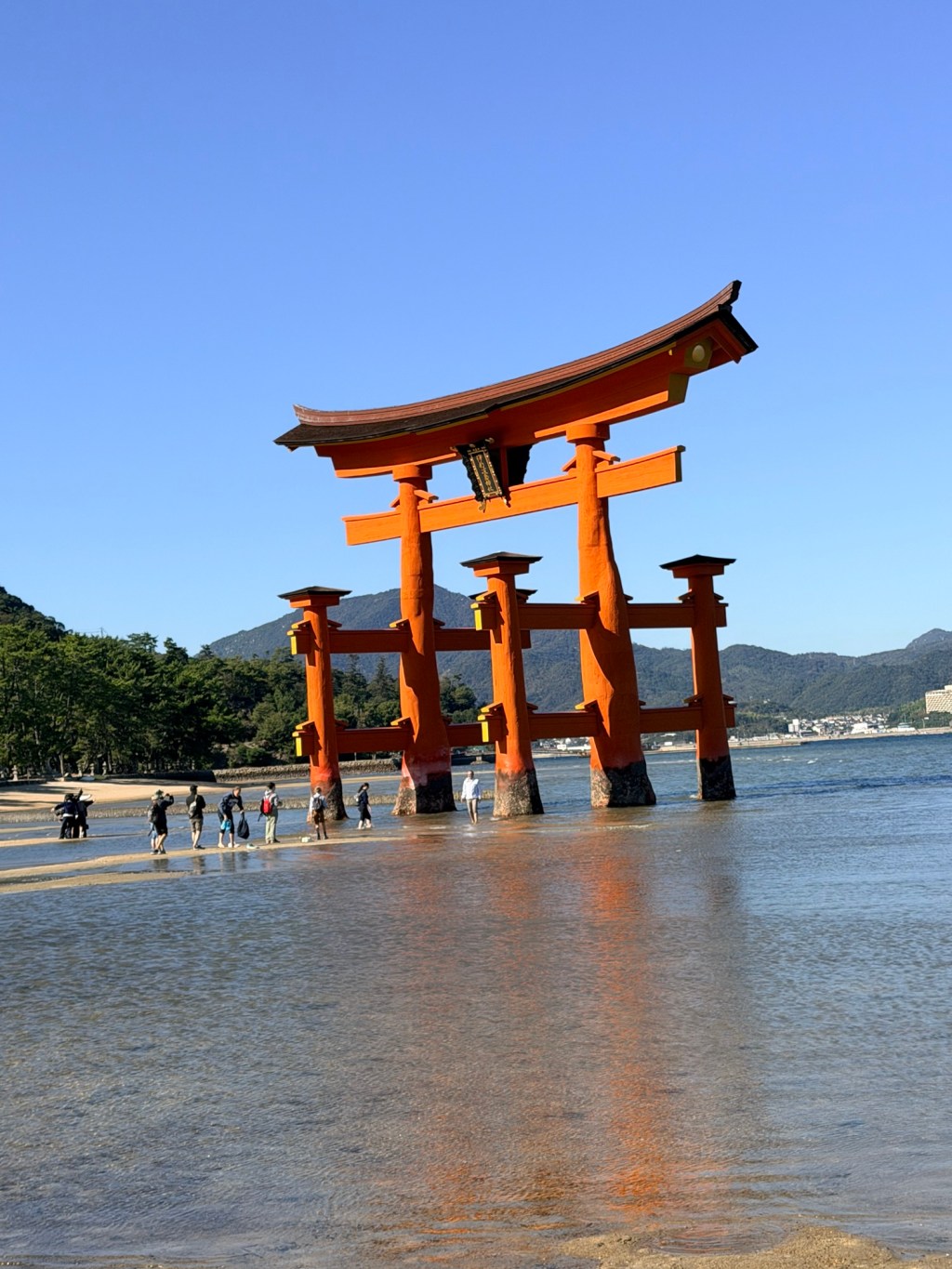
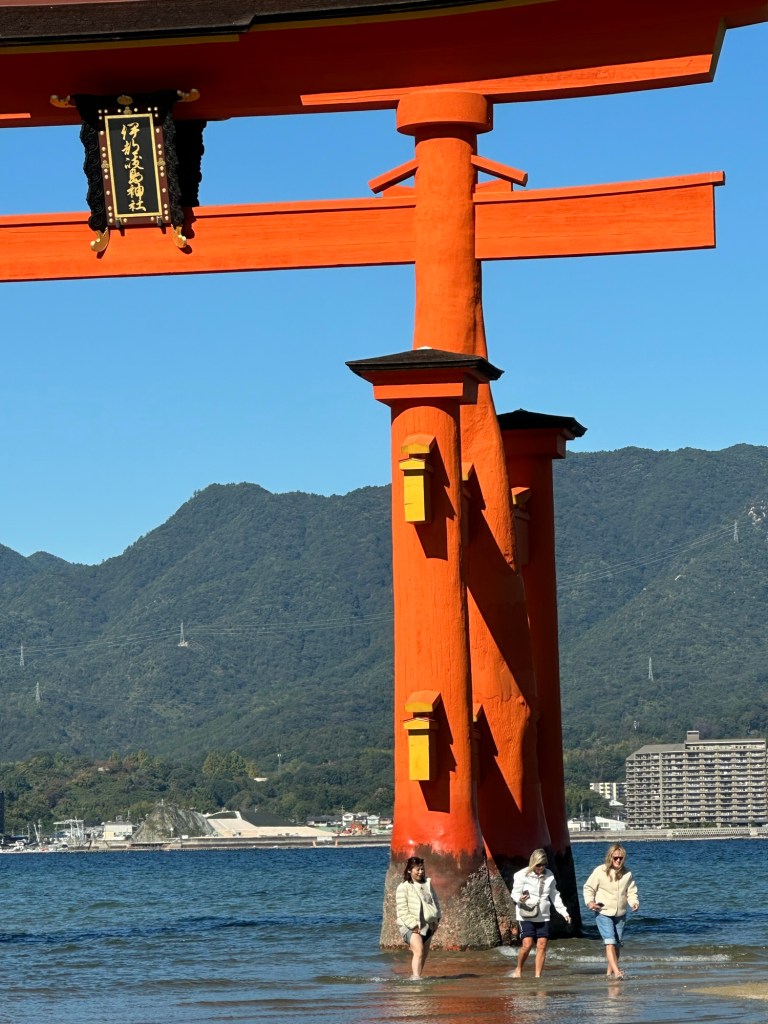
    I don’t know how this trip could get any better…but it just did. As we approached, the famous floating Torii Gate of Itsukushima Shrine came into view. During high tide it appears to float on the water, during low tide, roll up your pants and walk out to touch it (we did!)

    The floating torii gate of Miyajima is known as the Otorii. It’s approximately 16 meters tall (52 feet) and was originally built in 1168. Otorii represents the transition between the physical and spiritual worlds in Shinto belief. Mount Misen is the highest peak on Miyajima Island, standing at 1,755 feet, with a history of pilgrimage dating back centuries. The mountain is sacred in Shinto belief. ⛰️

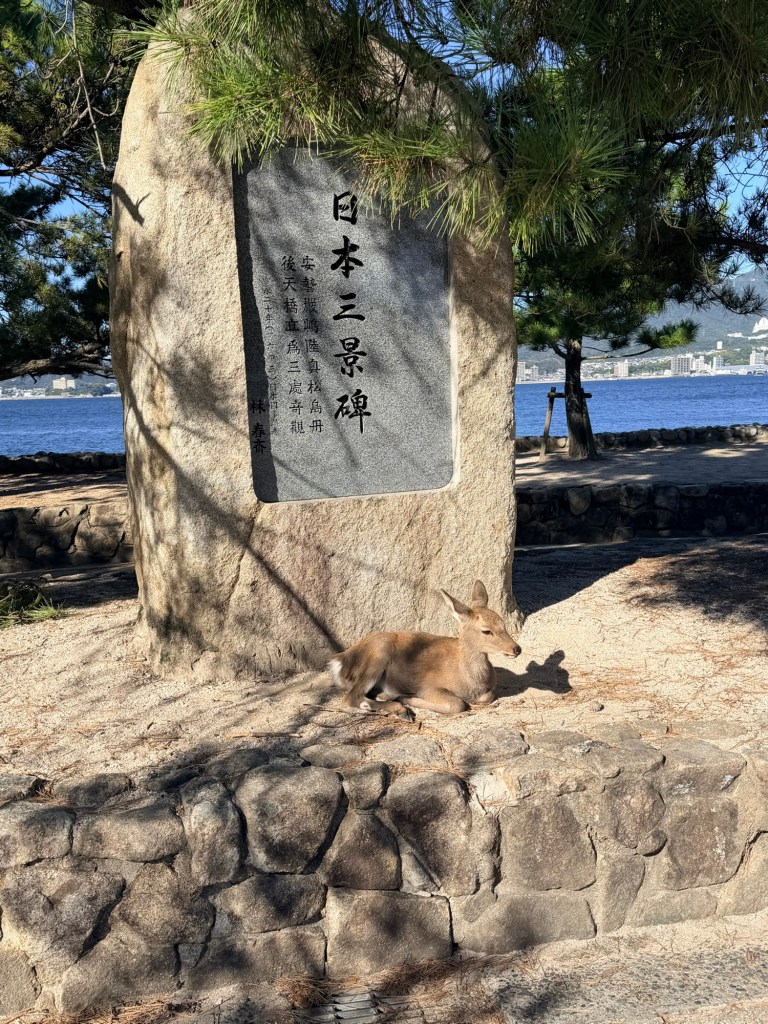
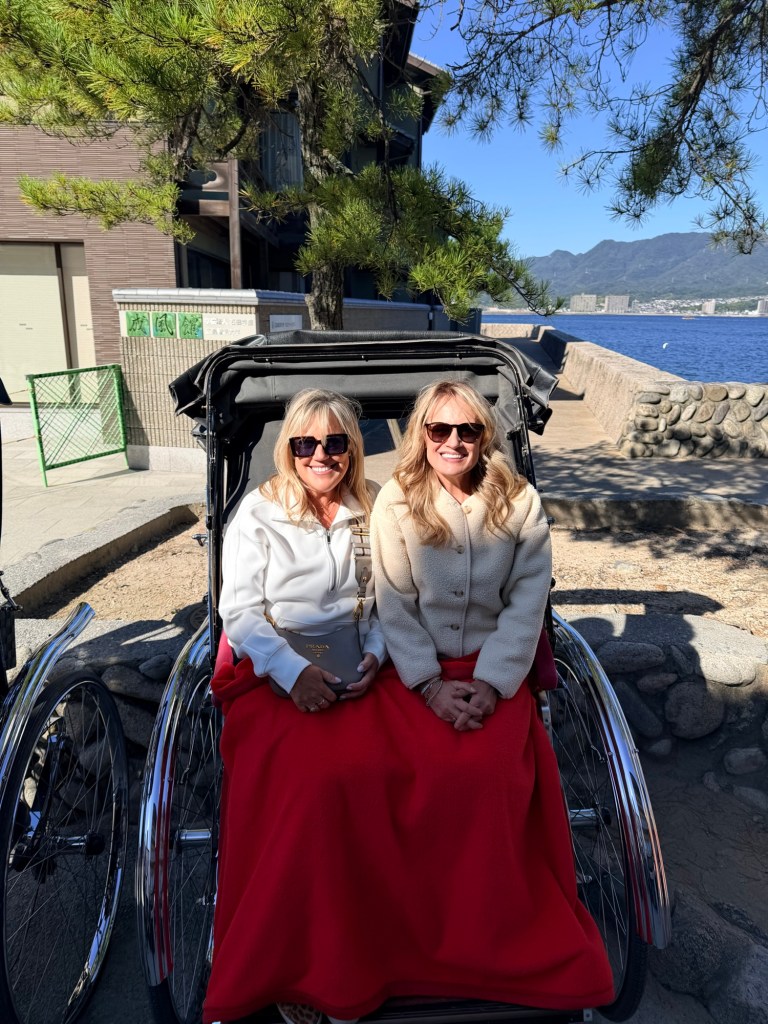
    The deer greeted us upon arrival (don’t touch them!) and we hired rickshaw drivers to show us around.  Fun experience with our “drivers”, Keigo and Akimu.

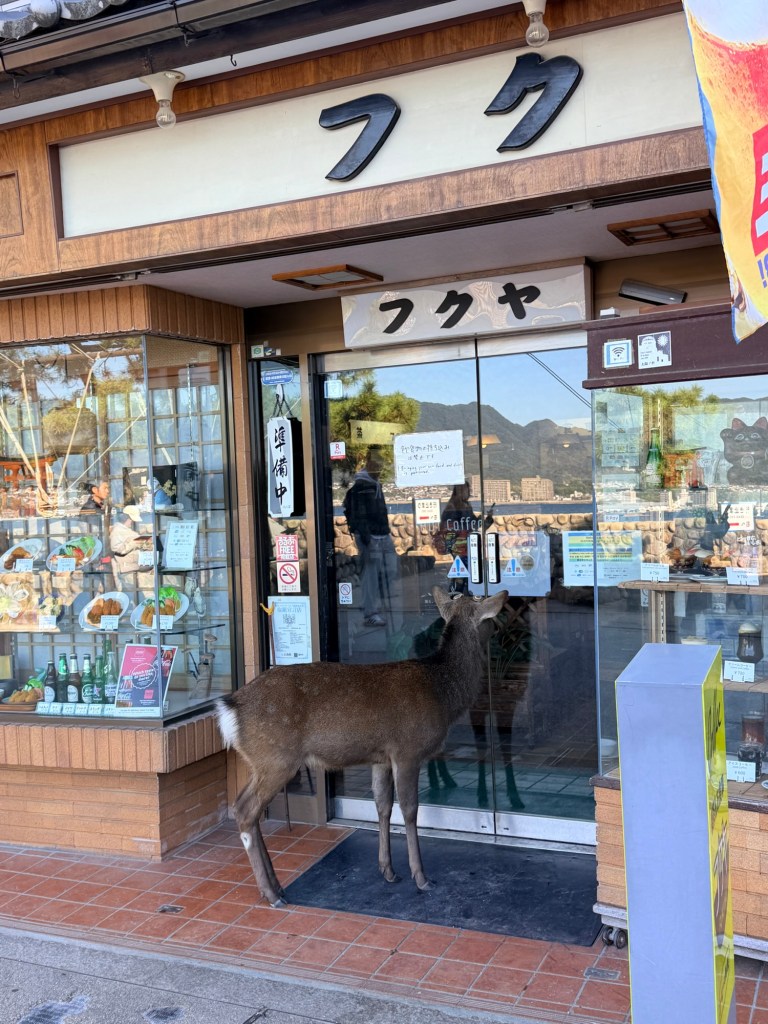
    The deer on Miyajima Island are a beloved and iconic feature of the landscape that roam freely around Itsukushima Shrine area. They’re friendly yet wild deer (in other words, don’t touch) that are considered sacred and believed to be messengers of the Shinto gods.
    Window shopping 🦌
    Ready for our rickshaw adventure!

    After wading out to touch the torii and take pictures, we high tailed it back to the beach as the tide was starting to rise. We then toured Itsukushima Shrine, a UNESCO World Heritage Site.

    Entering Itsukushima Shrine to go touch the floating torii.

    Tip: Arrive early during low tide to touch the torii! By the time we were touched it, we were the only ones left in the sea and the tide was rising quickly.

    The floating torii gate has been through several reconstructions over the centuries due to natural disasters like typhoons and earthquakes, as well as wood decay. The current version we saw dates back to 1875, and is maybe the 6th version of the gate
    While fairly shallow this early in the morning, the torii appears to hover above the water during high tide.
    Touching the torii in the Seto Inland Sea.

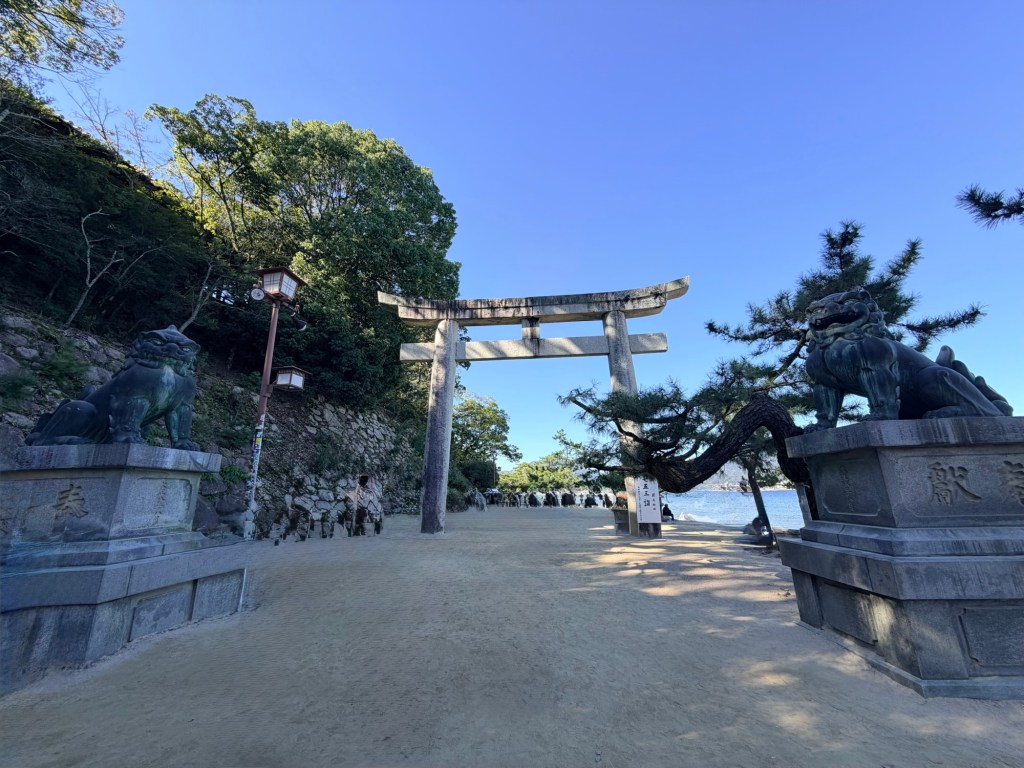
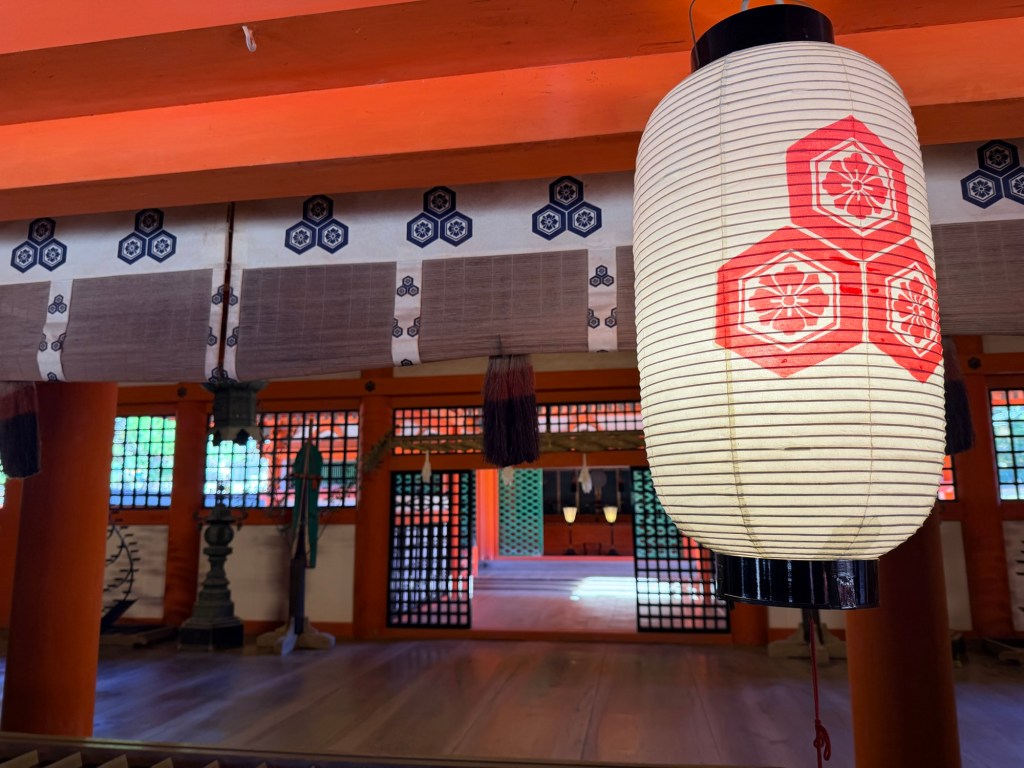
    Itsukushima Shrine is a UNESCO World Heritage Site. In addition to the iconic floating torii gate, the stunning shrine was originally built in the 6th century and dedicated to the goddess of seas and storms, Benzaiten. Surrounded by a traditional Japanese gardens and set against the backdrop of Mount Misen, Itsukushima Shrine is a unique blend of cultural heritage and natural beauty. The vibrant vermilion structures, exquisite craftsmanship, and picturesque setting made this one of my favorites (I have been saying that a lot!).

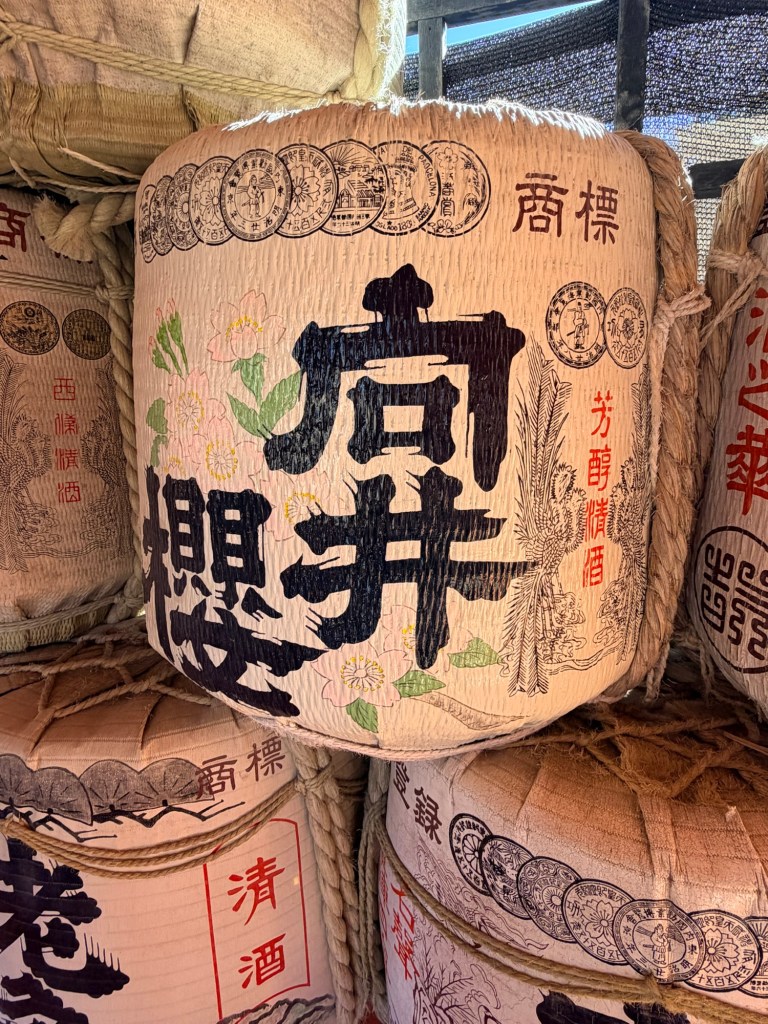
    Sake wrapped in straw—a sacred offering to the gods.

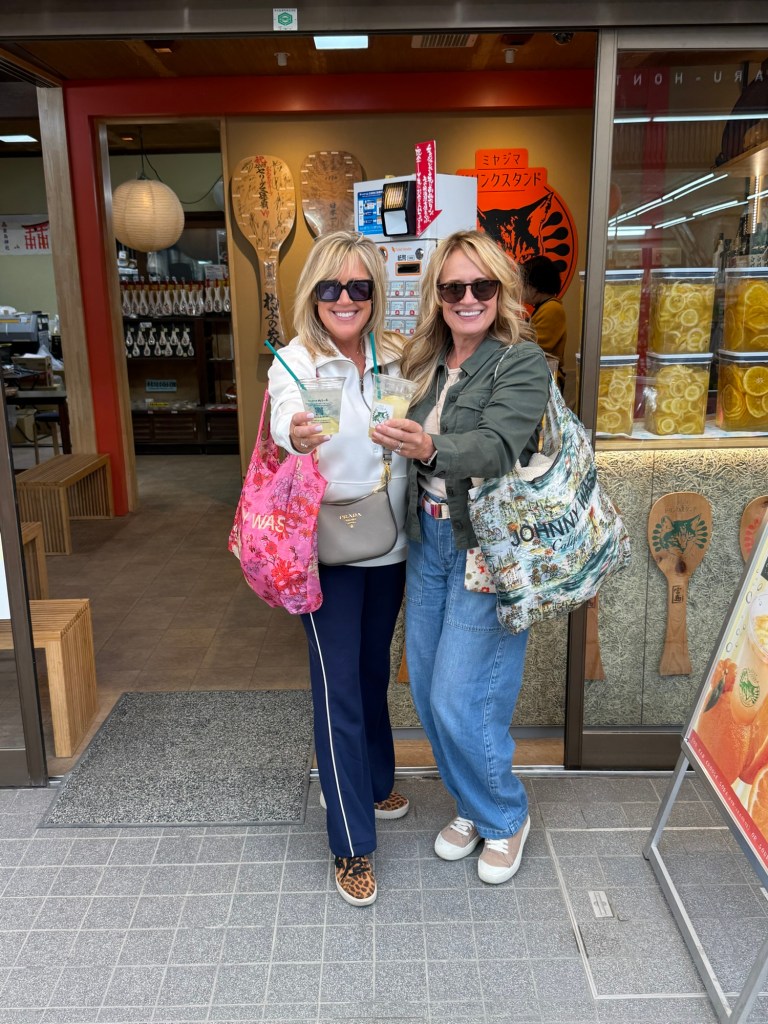
    Now, let’s talk about the food! Miyajima is famous for its delicious local specialties, particularly grilled oysters, everything lemon, and momiji manju—maple leaf-shaped cakes 🍁 filled with sweet red bean paste or custard. Strolling through the streets, we found charming vendors selling these treats, along with everything lemon.🍋

    A lemon probiotic drink for me and a lemon sake for Jen! I am already craving another one 🍋

    Part 2 in Hiroshima, and a much heavier topic, continues in the next post.