Tag: japanese culture

  • An enriching farewell in Toyama: A day of art, culinary delights, and cultural experiences

    An enriching farewell in Toyama: A day of art, culinary delights, and cultural experiences

    Our final day in Toyama was a fun fusion of art—through glass, food and clothing! Unforgettable experiences that left us with lasting memories.

    First Stop: The Toyama Glass Museum🪷
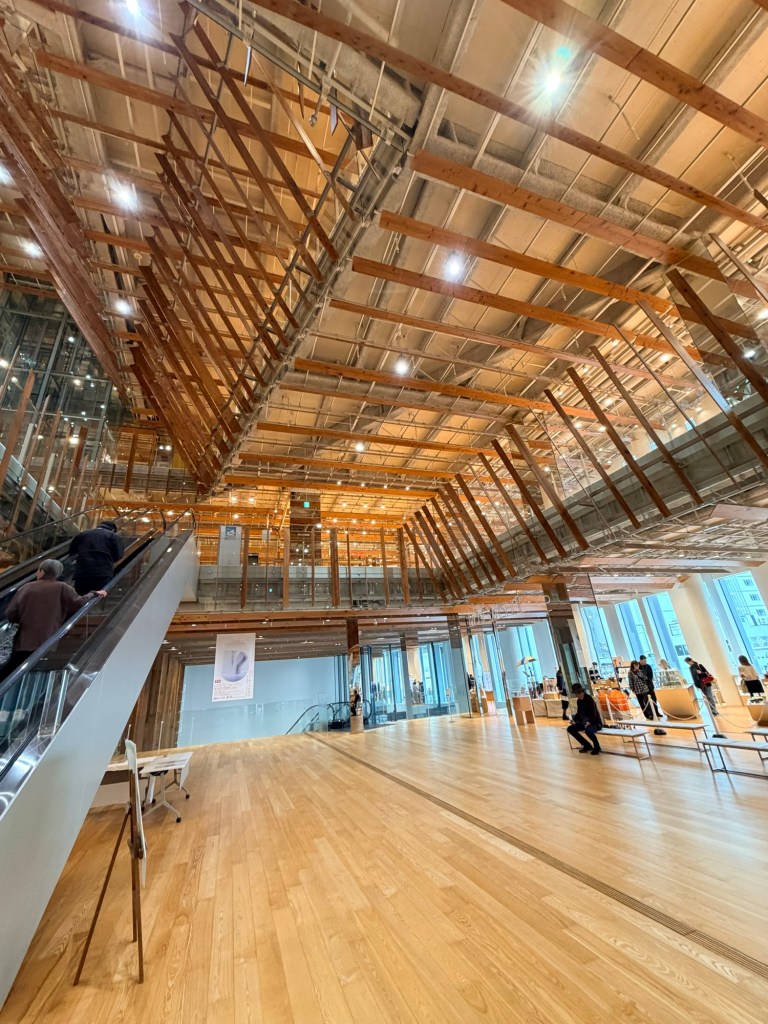
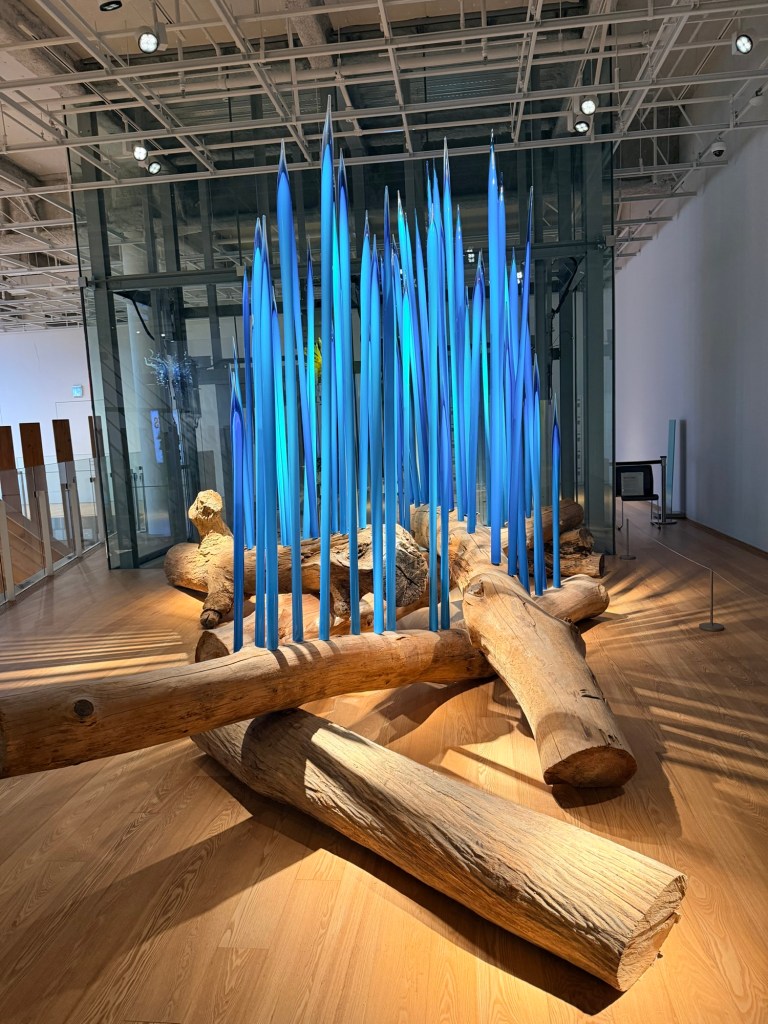
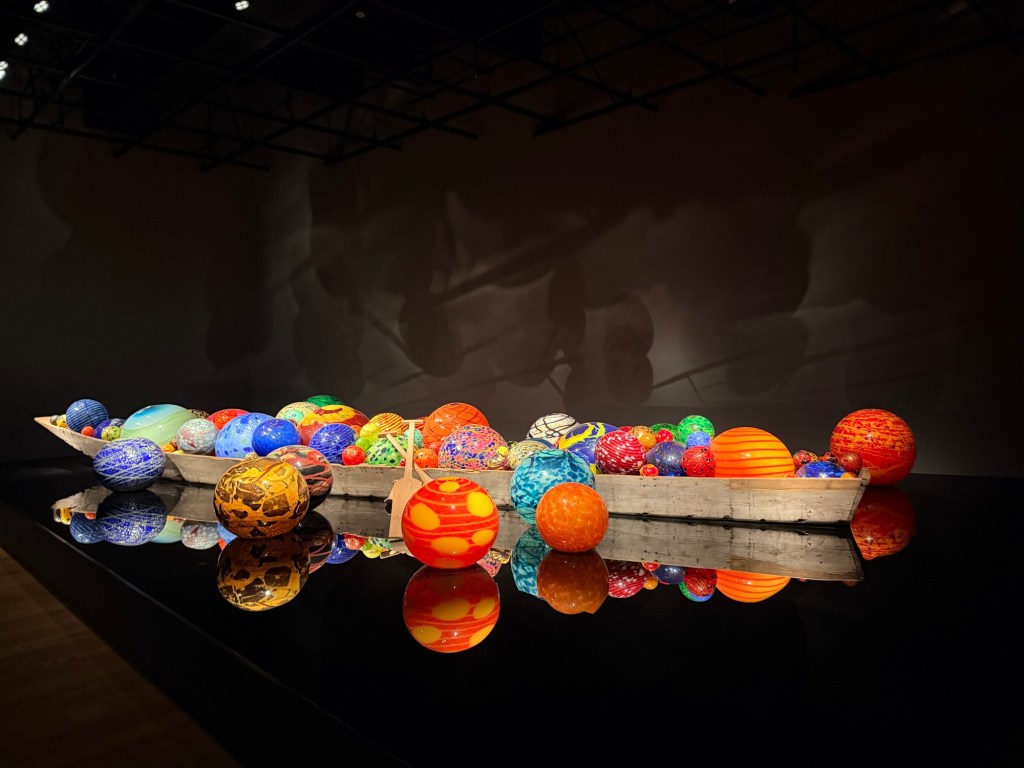
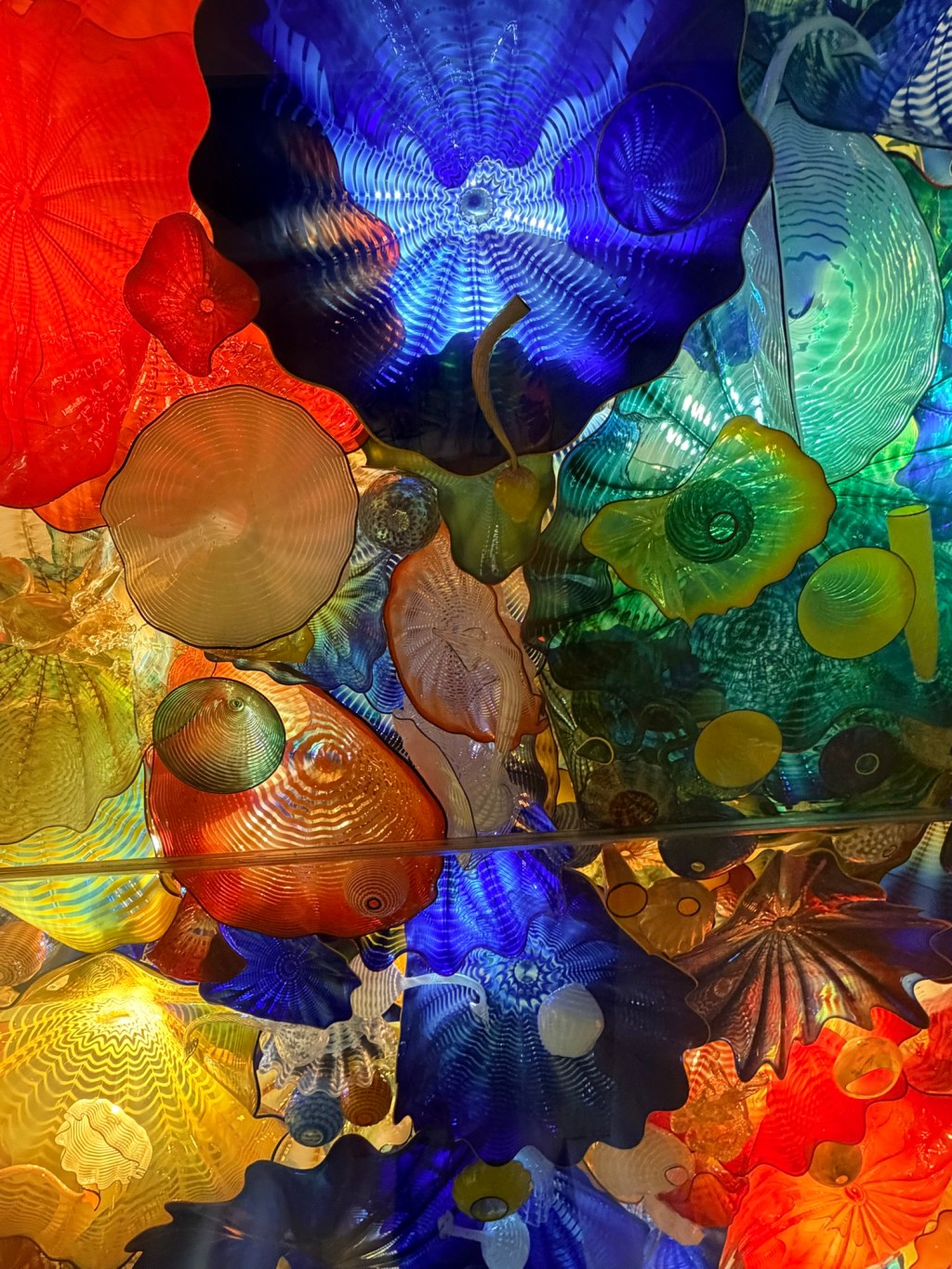
    We began our day at the stunning Toyama Glass Museum, a haven for both local and international artists. The museum’s impressive collection showcases a variety of glassworks, including breathtaking pieces by the renowned artist Dale Chihuly. His intricate designs and vibrant colors truly captivated our senses.

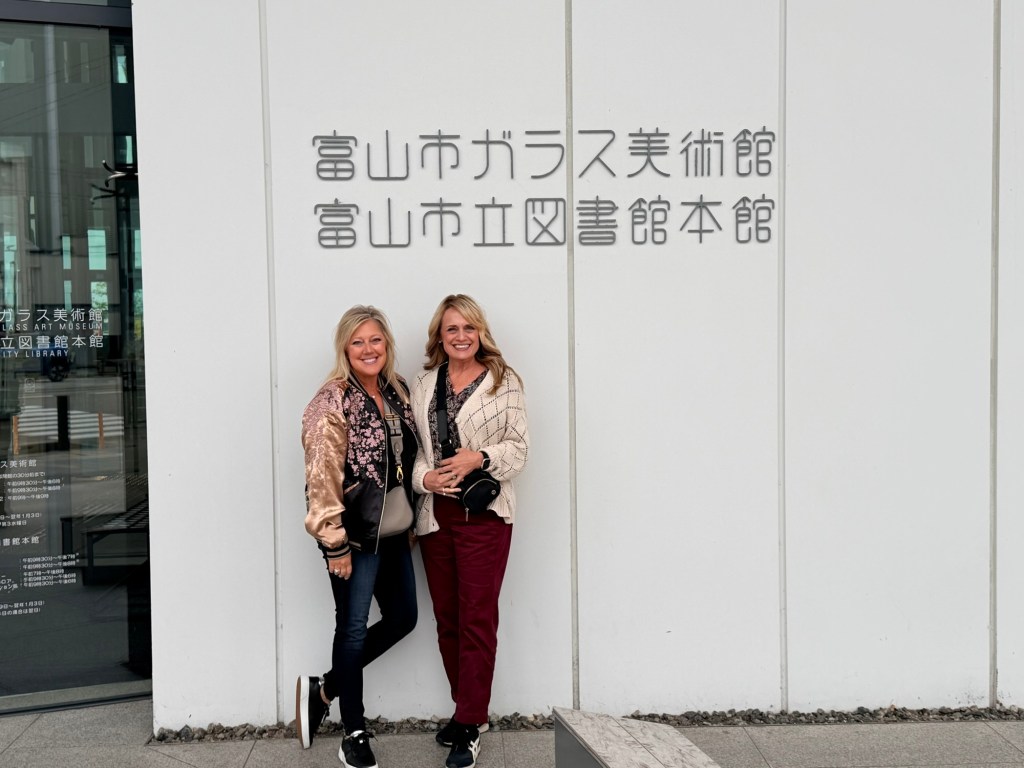
    The Toyama Glass Museum
    The Glass Museum is also occupied by the Toyama City Public Library Main Building
    Toyama Reeds, 2015 (Chihuly)
    Toyama Float Boat, 2015 (Chihuly)
    Toyama Mille Fiori, 2015 (Chihuly)

    Lunch: An Exquisite Teppanyaki Feast🥢
    Next, we indulged in a culinary adventure featuring teppanyaki, where skillful chefs prepared the most succulent fillet we had ever tasted. The meal began with a warming bowl of soup, followed by a savory medley of fresh vegetables, and then the expertly grilled steak.

    Cultural Touchpoint: Kimonos! 👘
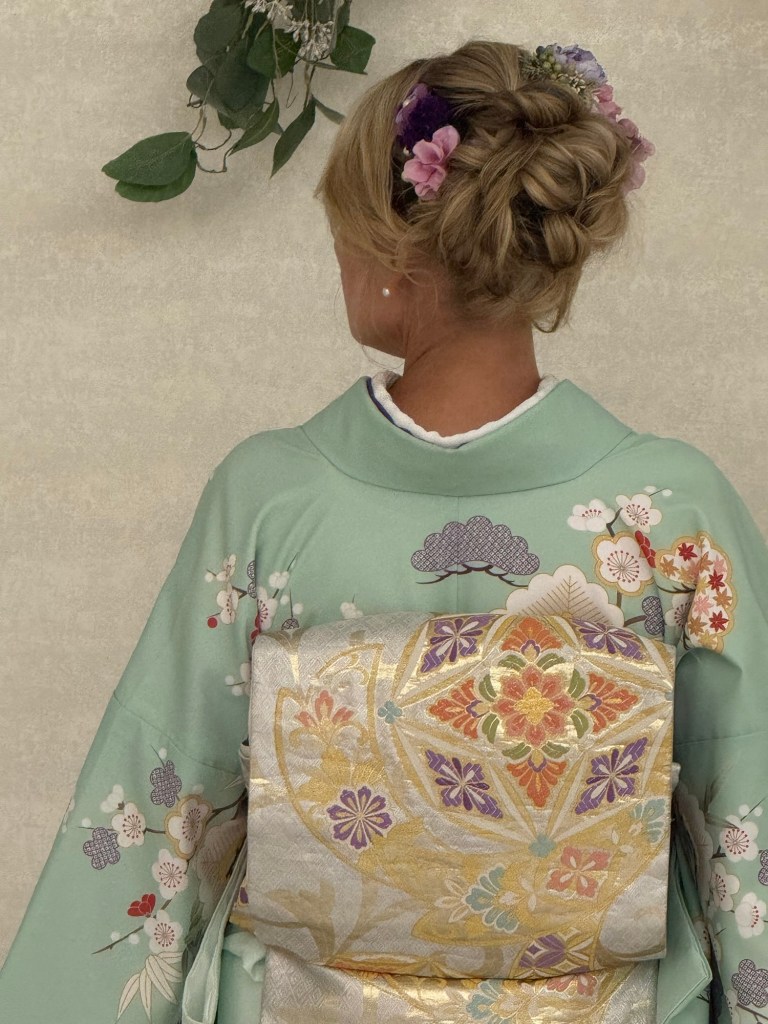
    To wrap up our day, we participated in a traditional kimono experience. It was fascinating to learn about the evolution of this beautiful garment; while modern kimonos typically feature just three layers, centuries ago, they boasted an impressive twelve layers, each serving its own purpose and signifying status. Adorning ourselves in these elegant fabrics allowed us to connect with Japan’s rich cultural heritage, making for a truly immersive experience. They also styled our hair!

    Kimonoki means “to wear” and mono means “thing”—literally translating to “thing to wear”. Kimonos are worn for special / ceremonial occasions.
    Kimonos are worn left side wrapped over right (unless the wearer is deceased)
    Kimono colors have different meanings. For example, bright colors are associated with spring or youth, while the darker colors (black and navy) are used for formal occasions and winter. Red and purple used to be reserved for the elite.🪭💜🌸
    Obi knot – the large knot of the Obi (sash)

    After soaking in all that Toyama had to offer (including the hot springs), we embarked on the return journey aboard the bullet train🚄. The two-hour ride back to Toyoko was spent writing this post!
  • Himeji Castle🏯

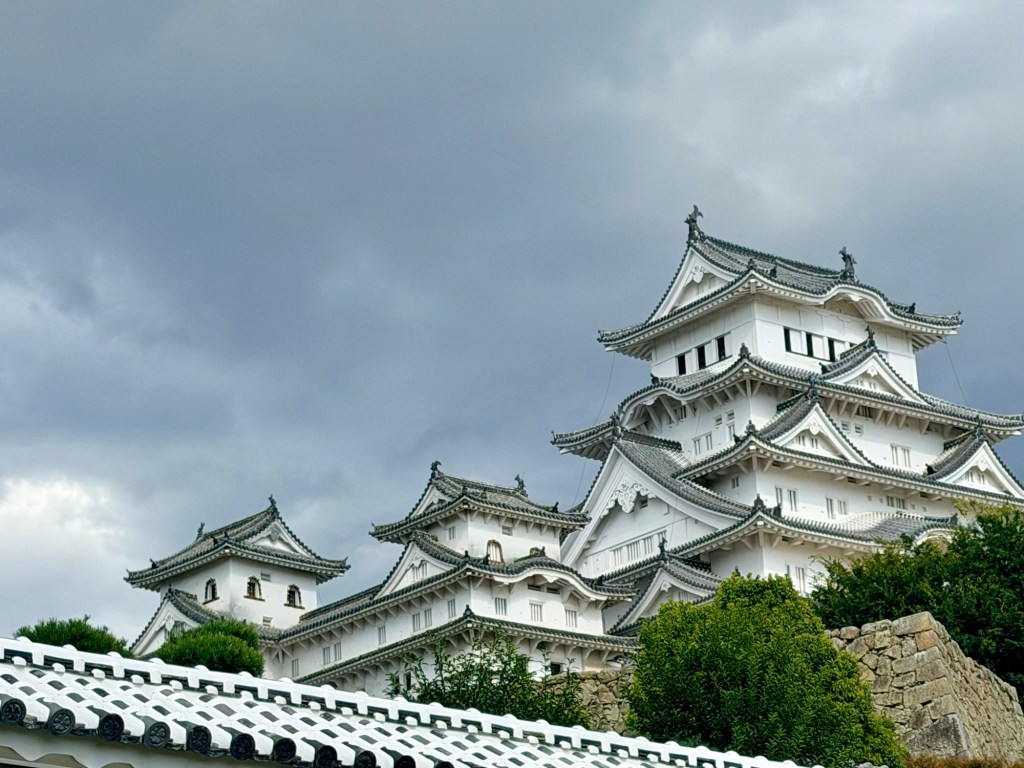
    Himeji Castle🏯

    Shrines and temples—and now a castle!🤍

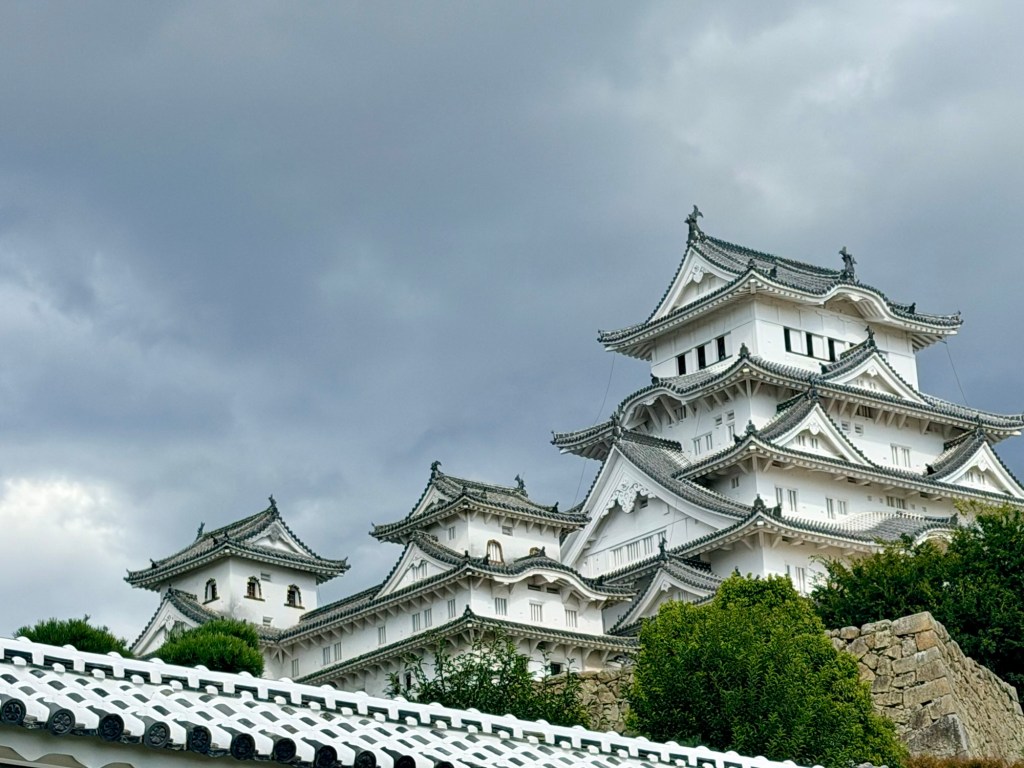
    I had never been to the city of Himeji but my Japanese friend said it’s a must. She was right—it’s an absolute must! Tucked away in this charming city is a stunning fortress and UNESCO World Heritage Site that is steeped in history and magic, making it one of my favorite places to see. Let me tell you a fairy tale that is Himeji Castle!

    Built a long long time ago (14th century, although disputed) in the far away land of Himeji, where feudal lords roamed the hallways and *Sachihoko protected the castle from fire…

    What we see today is mostly from the early 1600s and the castle is nicknamed, “Shirasagi-jo” or “White Heron Castle.” There is a definite WOW factor with the white plaster exterior making it look like a heron gracefully taking flight!

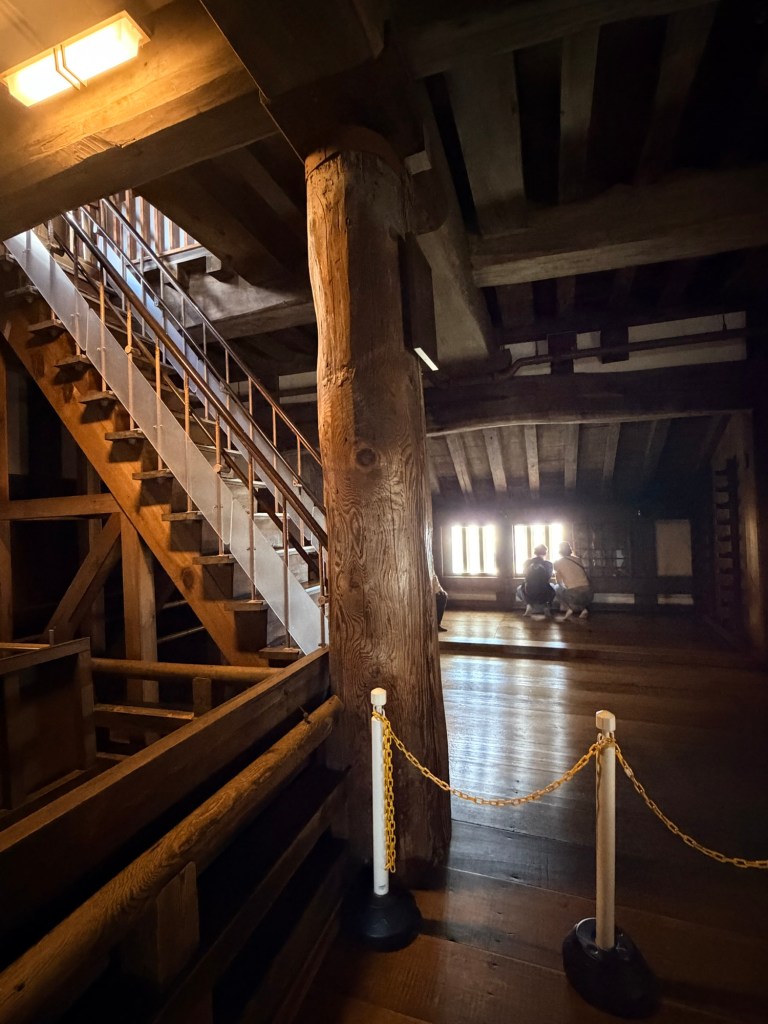
    There are some 80 buildings within the castle complex, linked by winding paths and gates. We actually climbed to the top of the main keep exploring each floor and it’s original use along the way. There are even some ghost stories to shiver at! FYI, be prepared to take off your shoes and those steps are steep!

    For the guns and spears

    The views are nothing short of breathtaking and the Nishinomaru Garden surrounding Himeji Castle is enchanting.

    Travel there: We took the JR line from Kyoto and walked down the main street, looking at the castle the entire time. Seriously, you can’t get lost. The only “lost” you’re going to get is in the beauty of this fairy tail castle!

    The end.🧚

    *Sachihoko = mythical Japanese creatures that have the head of a tiger and the body of a carp fish. They were used as roof ornaments on castles like Himeji to protect them from fire 🔥.