After Meiji Shine, we continued our tour and the day kept getting better and better, even as the rain fell…
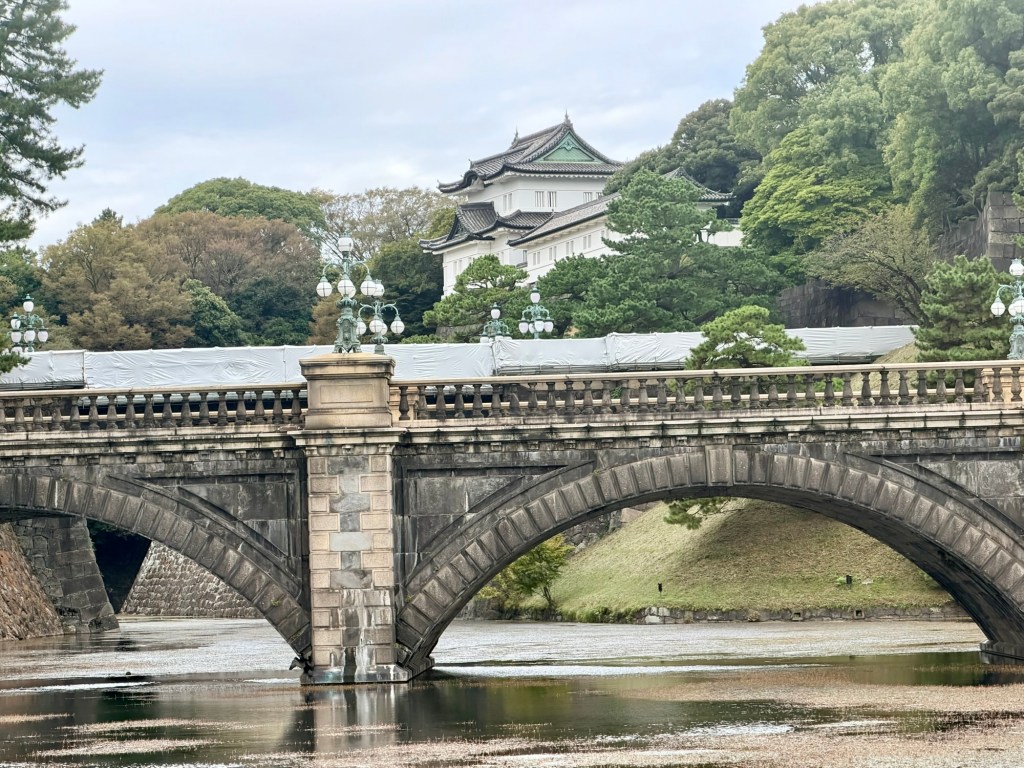
The emperor of Japan is symbolic, serving as the head of state and a symbol of the Japanese people. The imperial dynasty dates back to 660 BCE with the legendary emperor, Jimmu, descended from the sun goddess, Amaterasu.
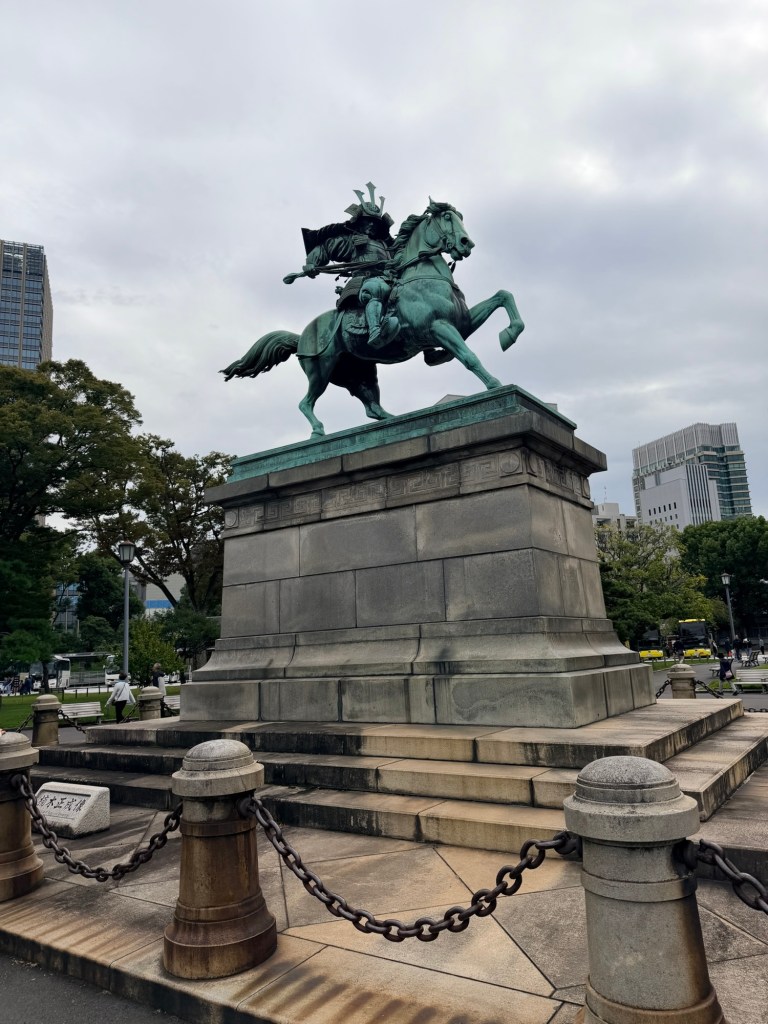
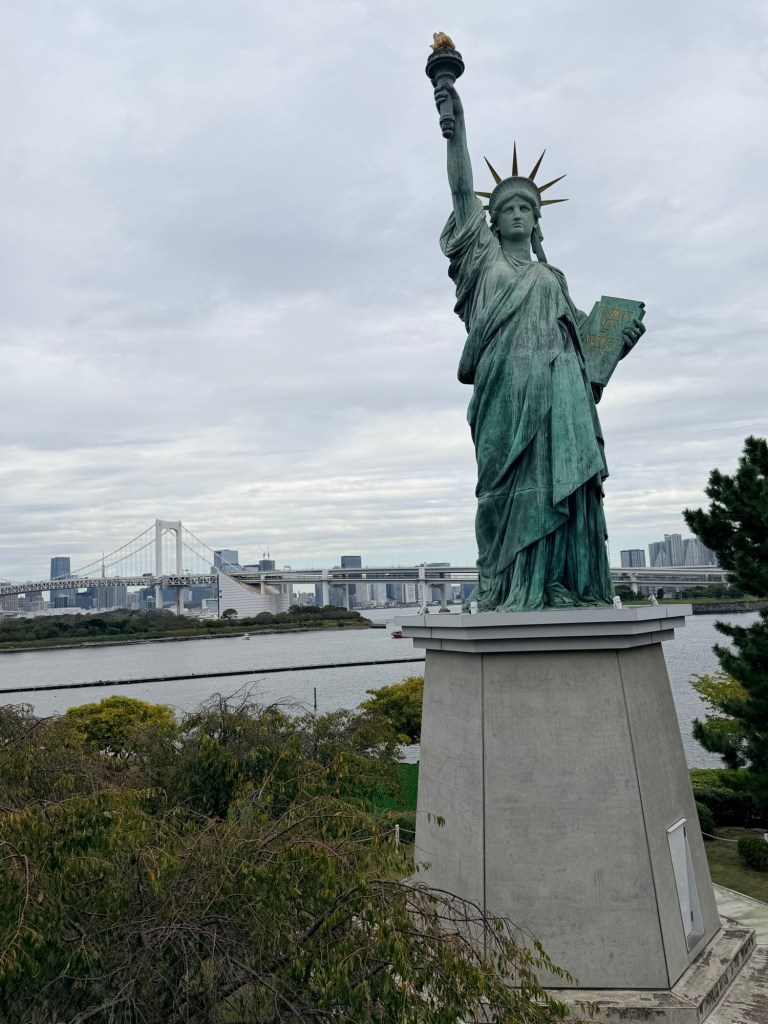
After stops at the Imperial Palace and Odaiba, we ate a buffet lunch at a local hotel by the airport. Then we went to my one of favorite places in Asakusa, Tokyo—the Buddhist temple called Sensō-ji. Built in the 7th century, it is Tokyo’s oldest temple and draws some 30 million visitors each year. It is also known as the Asakusa Kannon.
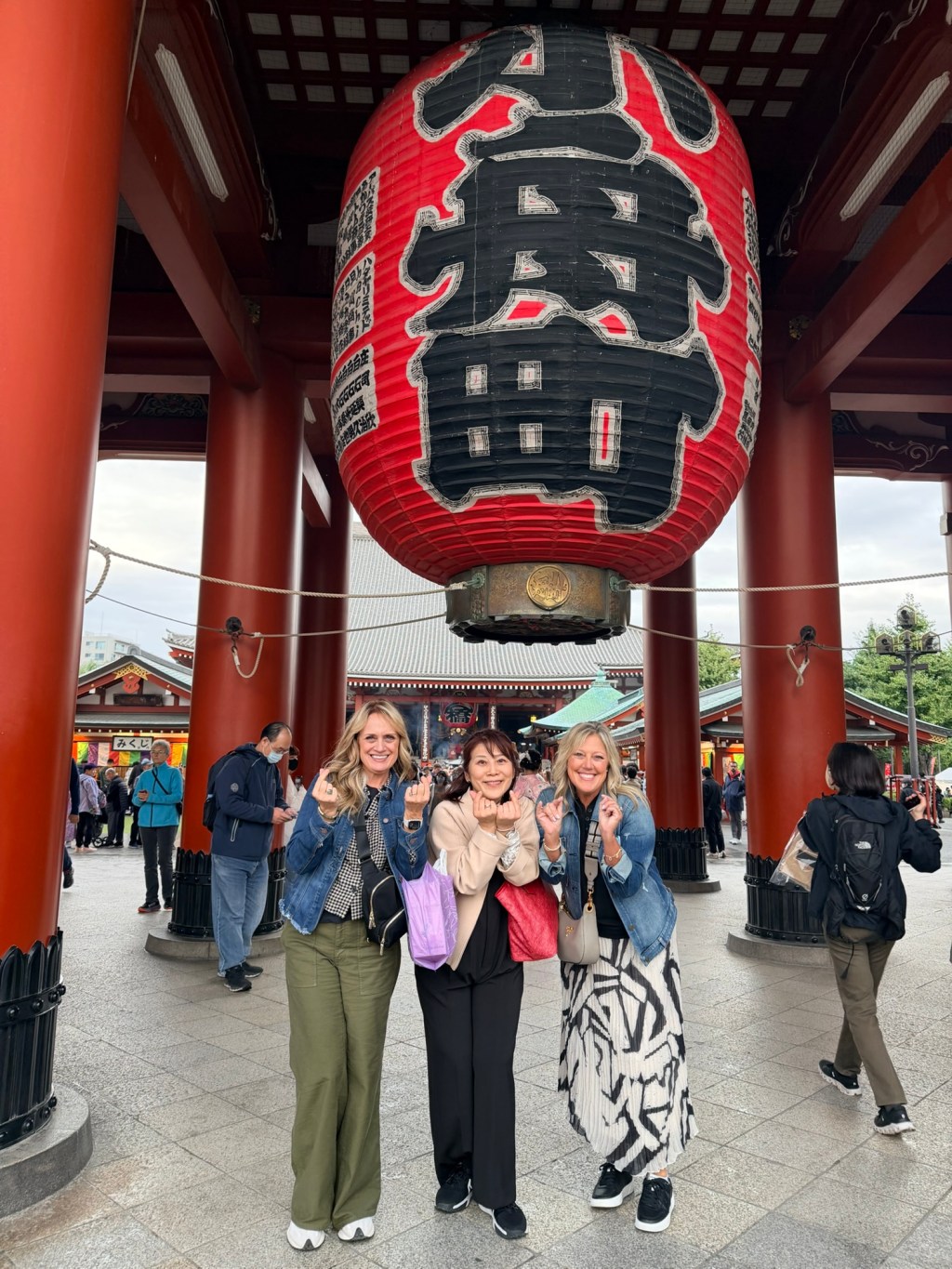
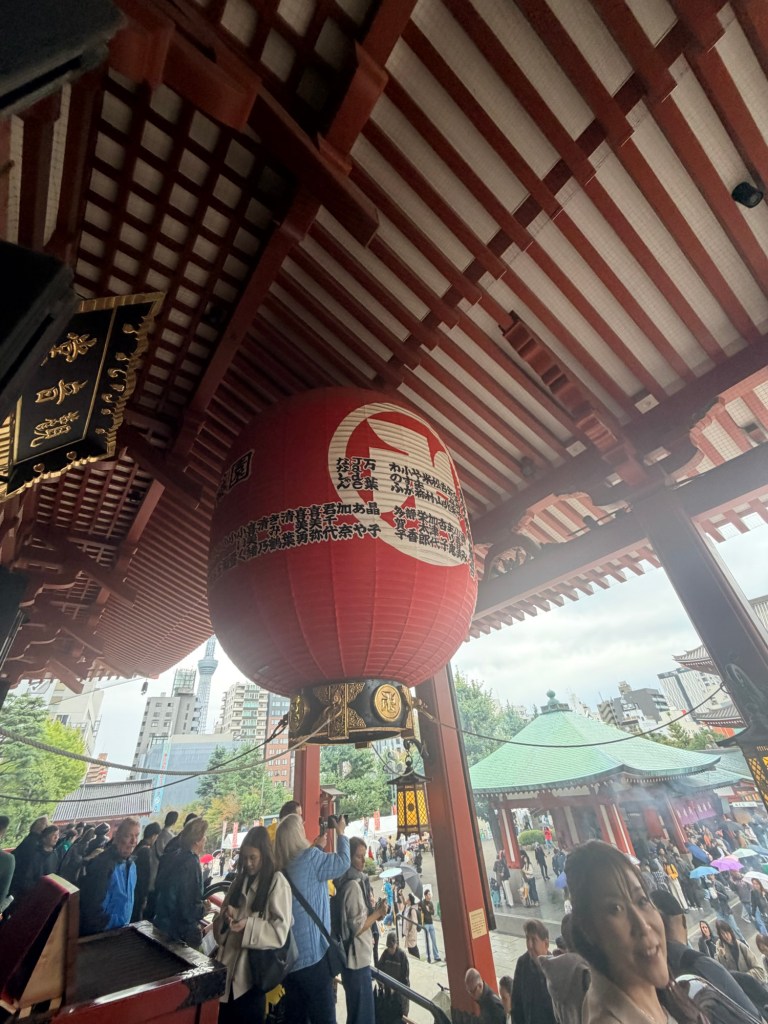
The grounds are as colorful as they are stunning and it’s difficult to capture the beauty with my camera. The entrance is called the Kaminarimon or “Thunder Gate”, and showcases a massive paper lantern painted in red-and-black tones symbolizing thunderclouds and lightning.


The Kaminarimon, known as the Thunder Gate, marks the entrance to the historic Senso-ji Temple.


Five-Story Pagoda is a prominent landmark on the grounds and stands 55 meters tall. It houses the relics of Buddha.
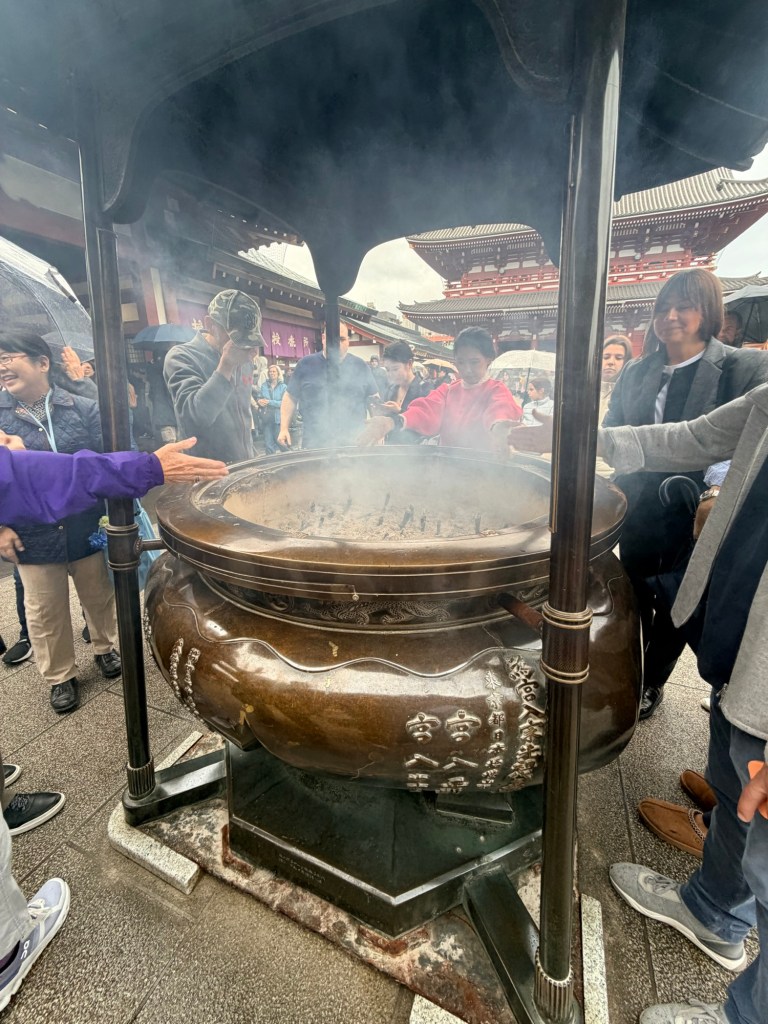
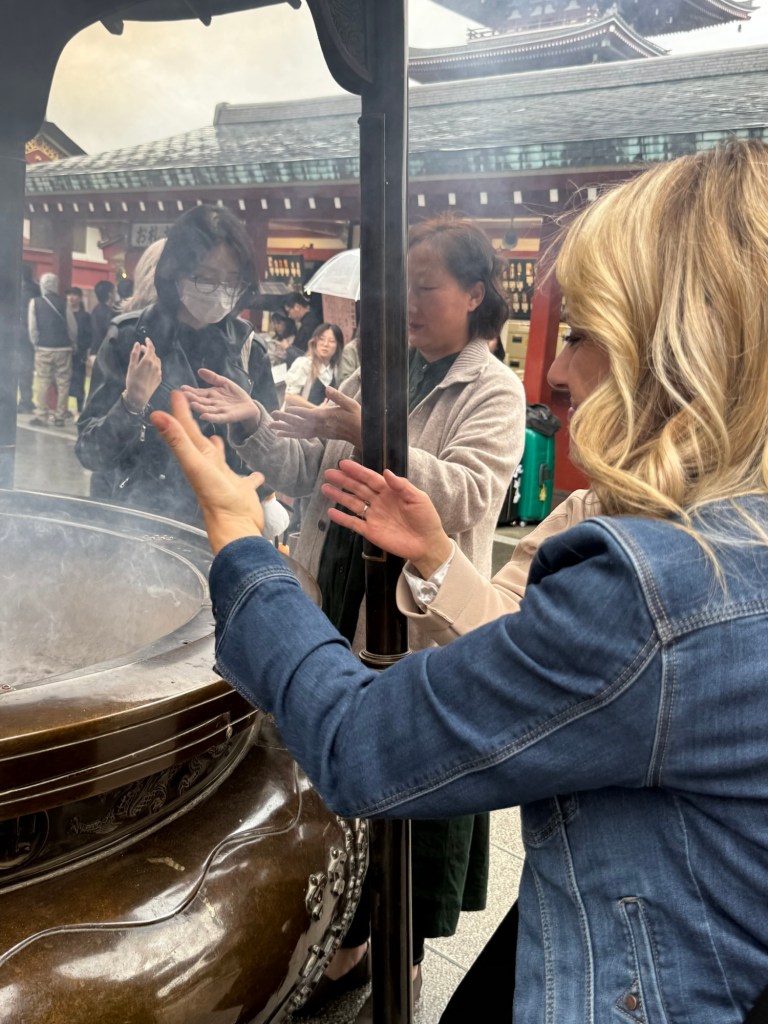
Buddha’s Breath—The smoke from the incense burner (jokoro) at Senso-ji symbolizes purification and healing. We use it to cleanse the body and mind. You’re supposed to direct it toward a part of your body you wish to heal or toward the head to gain wisdom.
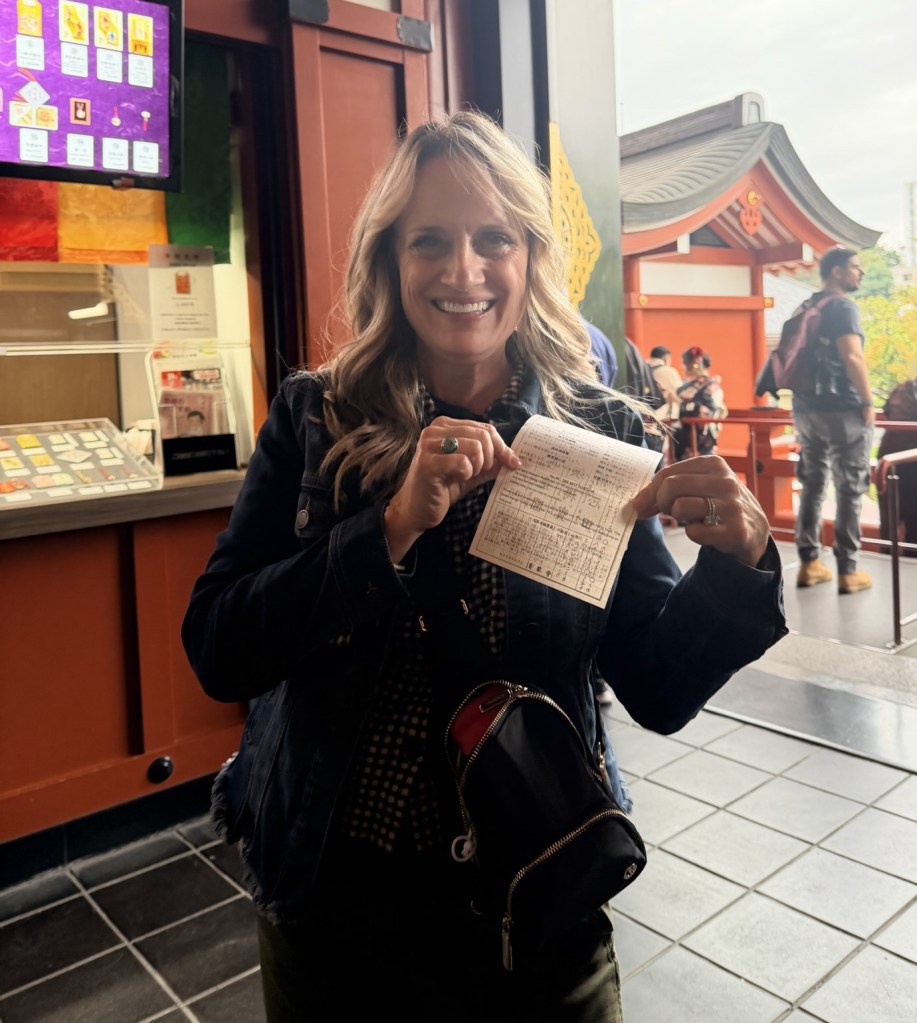


What’s the difference between Shinto and Buddhism? It was explained to me while we were in high school by my friend, Kayoko, and I have referred back to this teenage explanation many times—Shinto is Japan’s native religion that focuses on this life while Buddhism centers on the afterlife and enlightenment.
Interesting observations: When you travel to Japan, it’s best to bring your own hand towel in your bag. This towel can is used to wipe your hands after you wash them in public restrooms as many times there are no paper towels nor dryers. 
Our day concludes on the next post…
 Christina’s Journey Journal