Tag: UNESCO World Heritage Site

  • The Adventure Capital of the World —Queenstown, New Zealand 🇳🇿 ; Day 8 (March 23, 2026)

    The Adventure Capital of the World —Queenstown, New Zealand 🇳🇿 ; Day 8 (March 23, 2026)

    They don’t call Queenstown the Adventure Capital of the World for nothing. This is where commercial bungy jumping, jet boating, and tandem paragliding were all born—because apparently someone looked at these mountains and thought, “How can we make this more intense?”

    Milford Sound: Worth Every Bit of the Hype

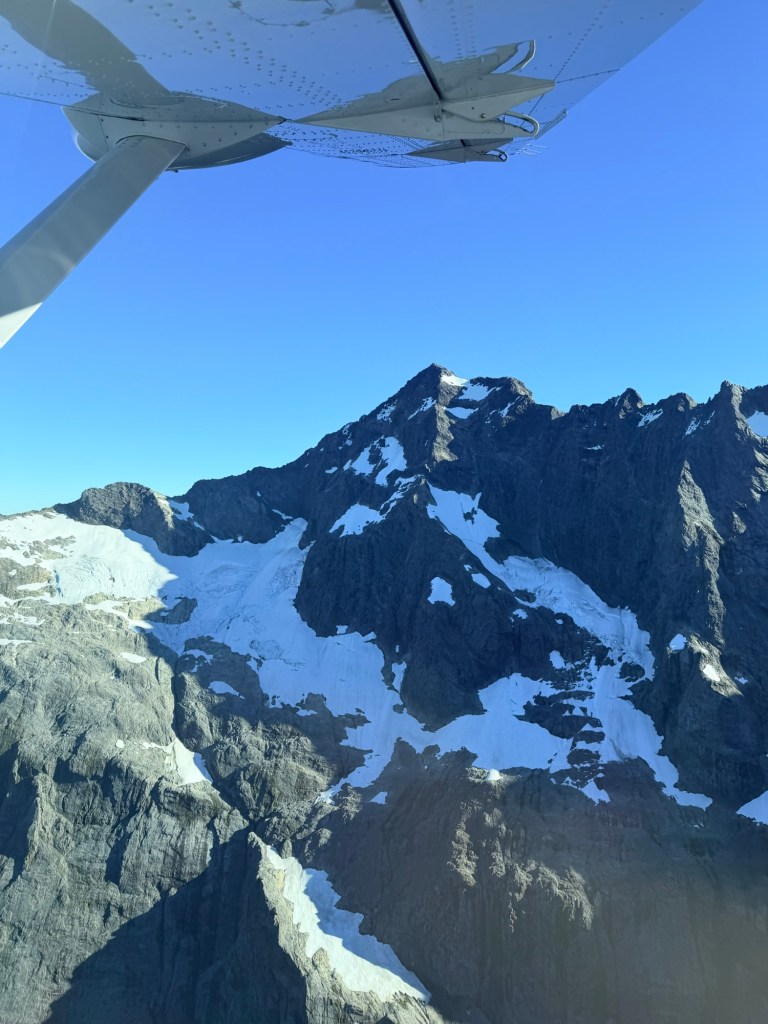
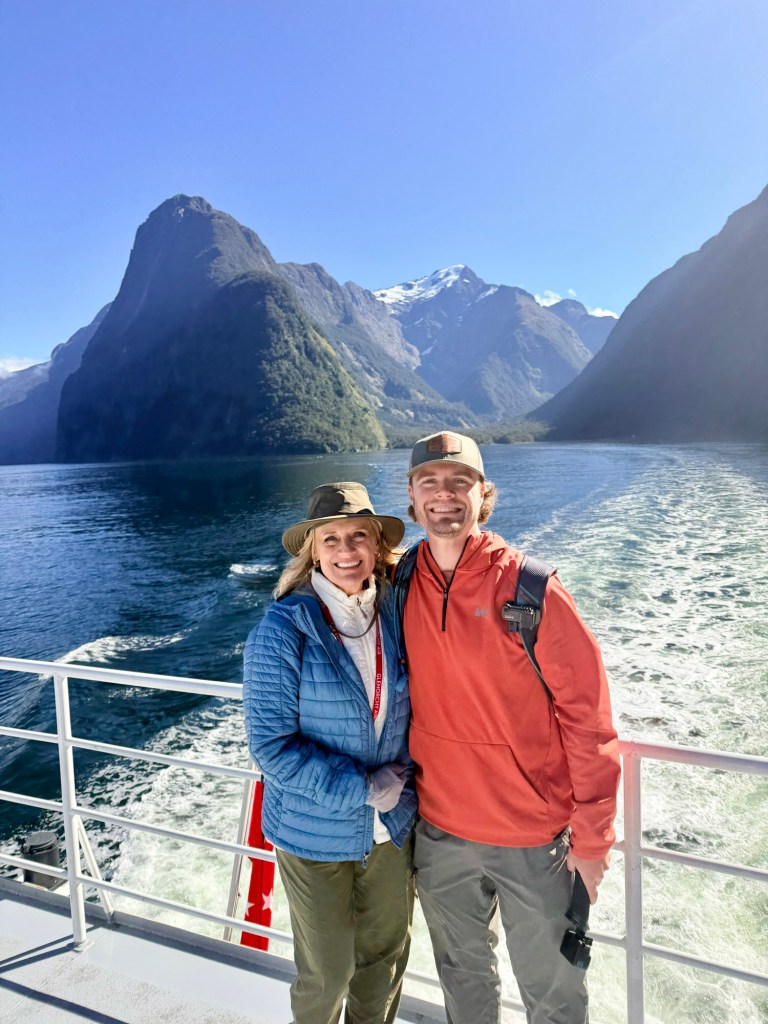
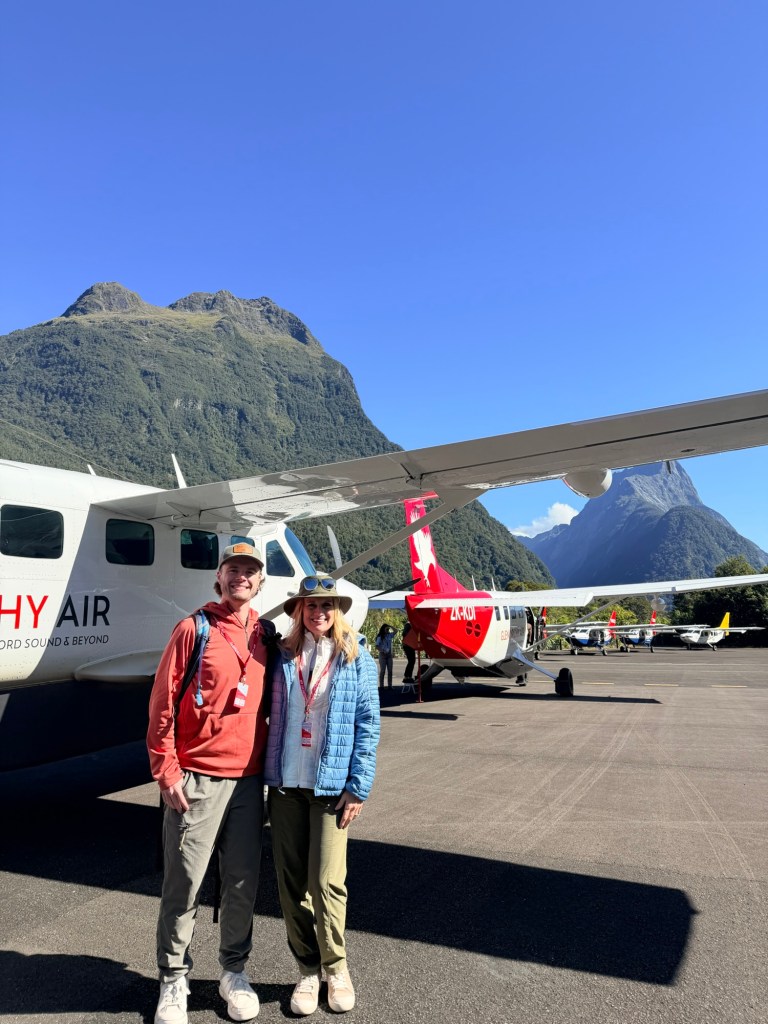
    We kicked off the day with a scenic flight with Glenorchy Air to Milford Sound—often called the “8th wonder of the world” (Piopiotahi in Māori) and part of a UNESCO World Heritage Site.

    Take one didn’t exactly go as planned. We took off and then had to turn right back around because the cowling (covers the engine) flew open mid-flight. Nothing like a little pre-adventure adrenaline spike. Our pilot, Annabelle, handled it extremely professionally.

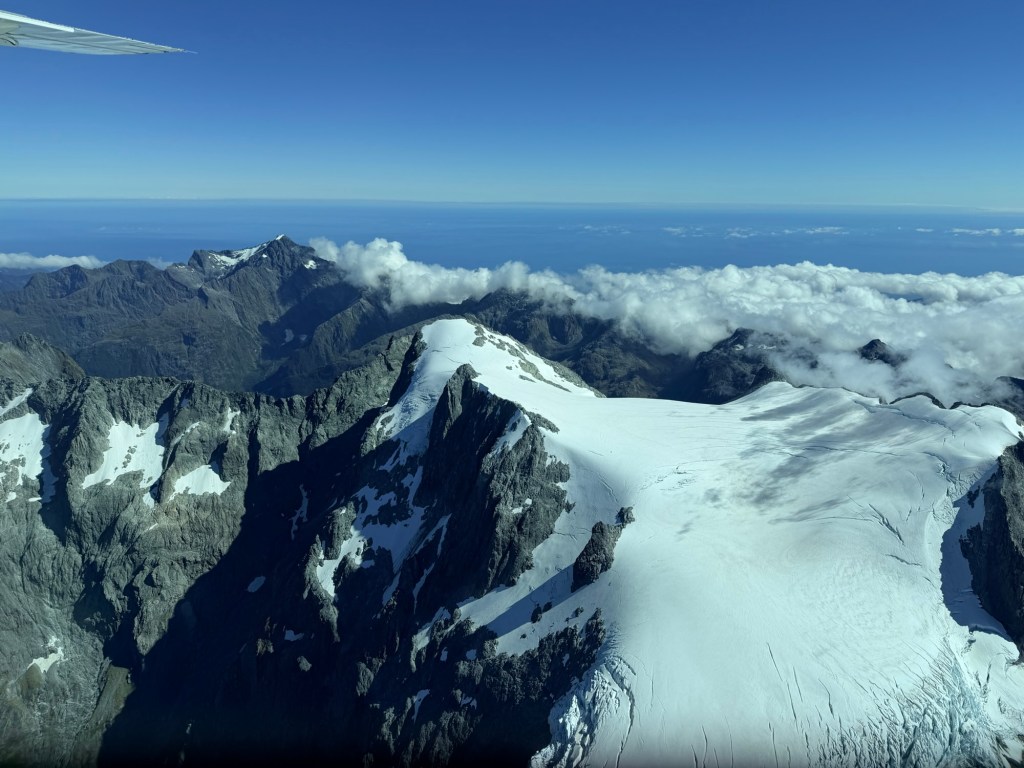
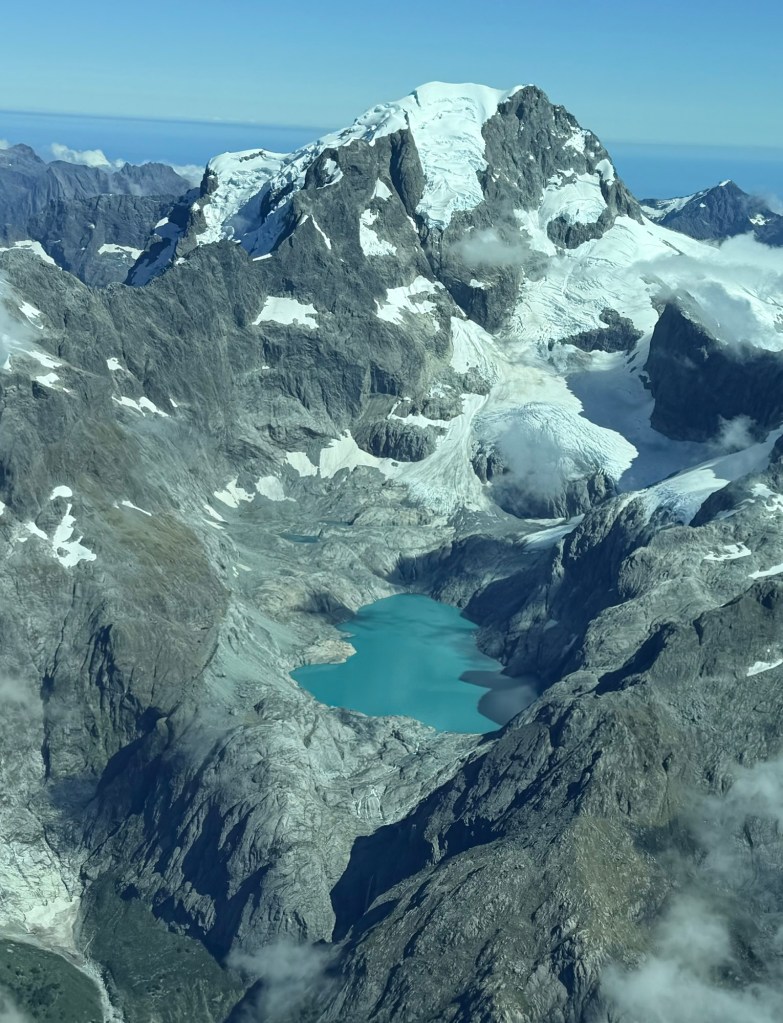
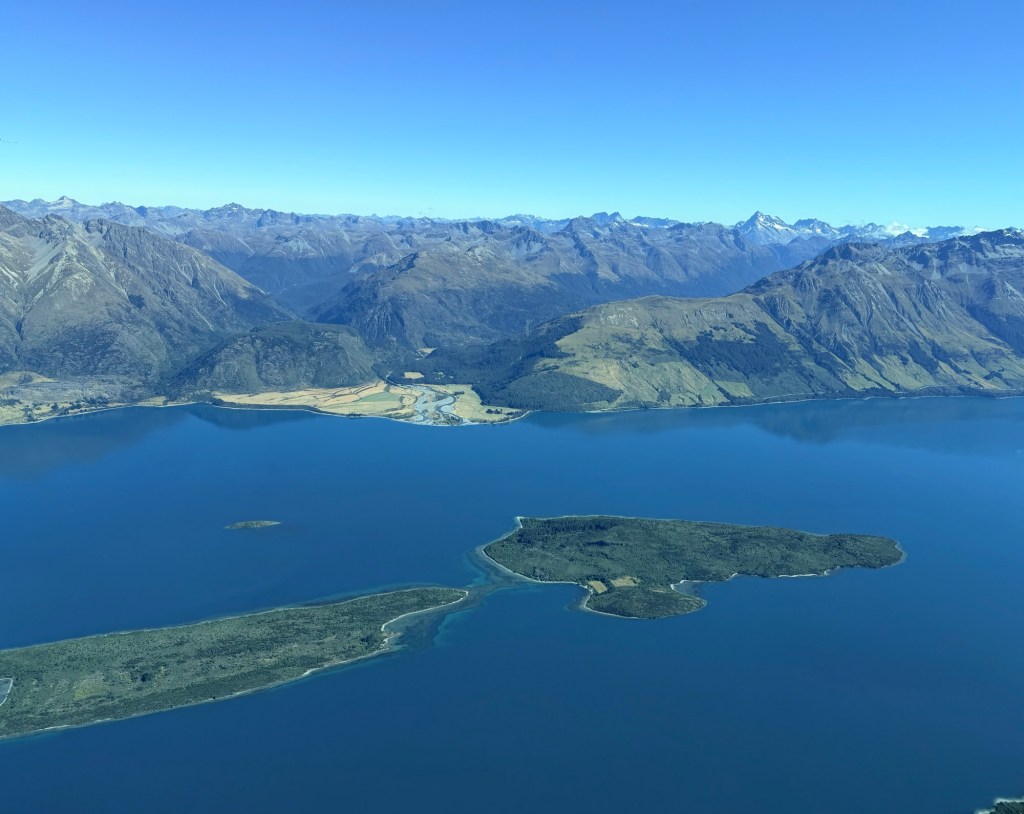
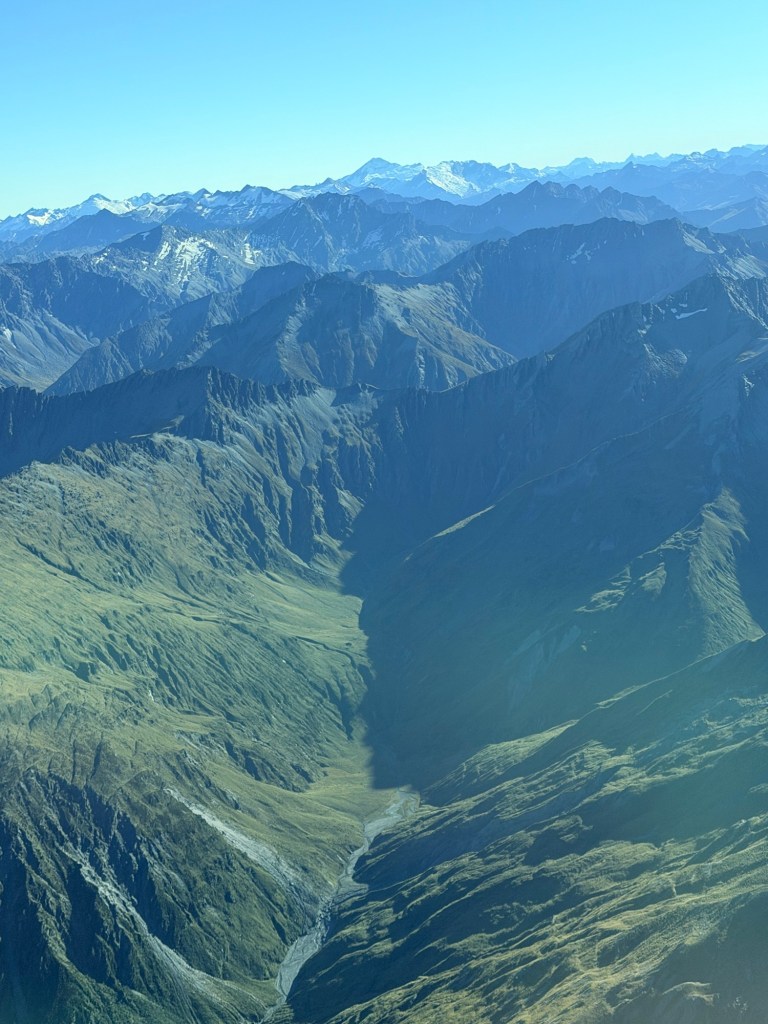
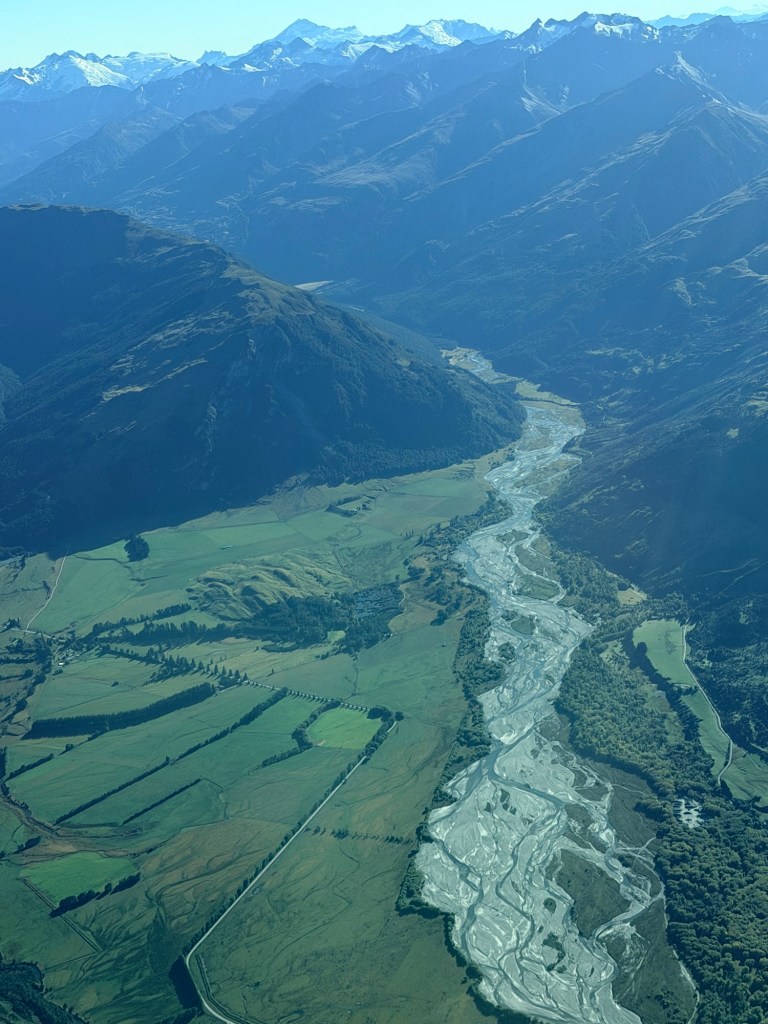
    Round two was much more successful—and absolutely stunning. A few snow-capped peaks, glacial lakes up high in the mountains, deep valleys, and scenery that doesn’t even look real from above.
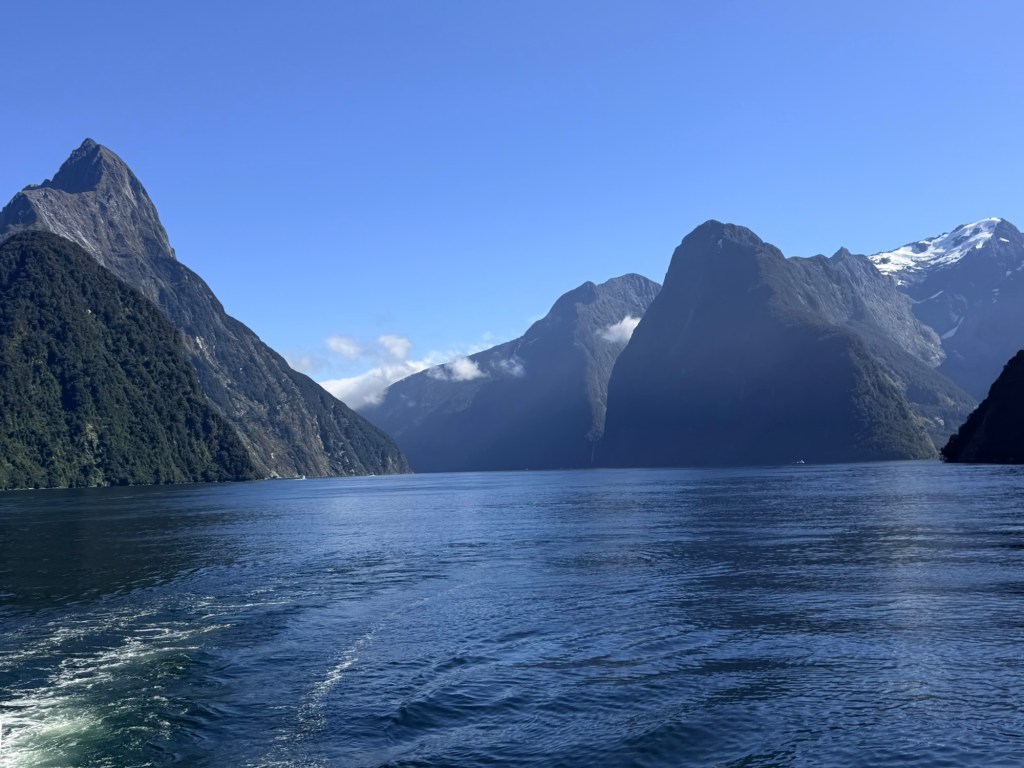
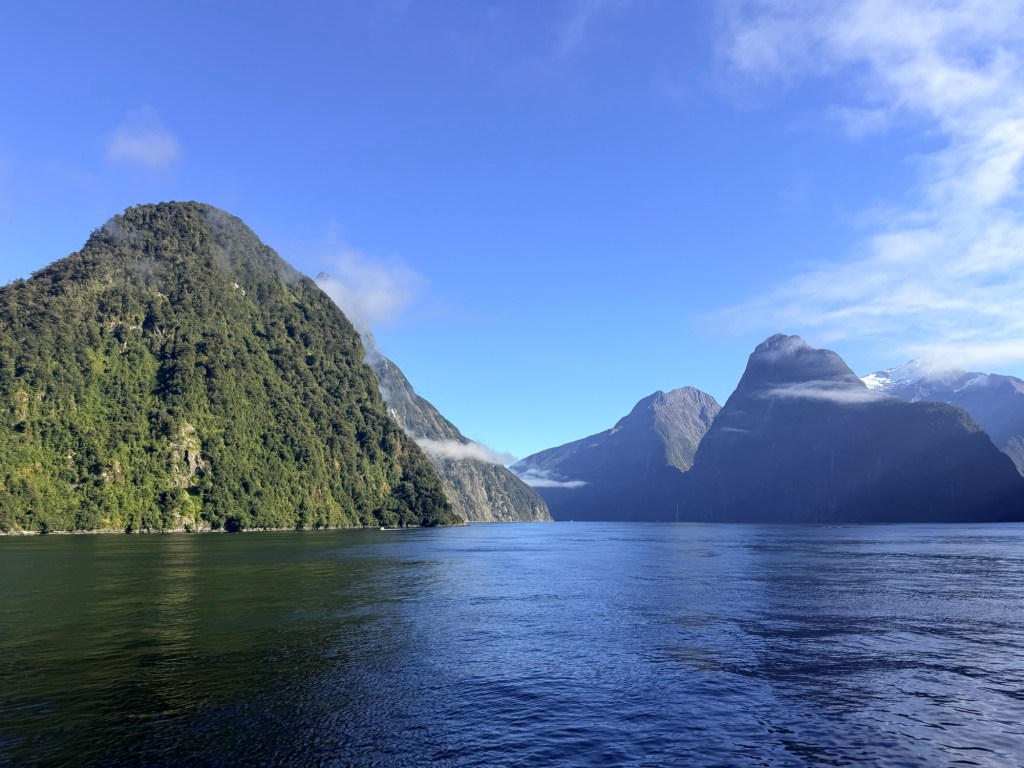
    Once we landed, we boarded a boat to explore deeper into the fjord (and yes—it’s actually a fjord, not a sound, carved by glaciers).
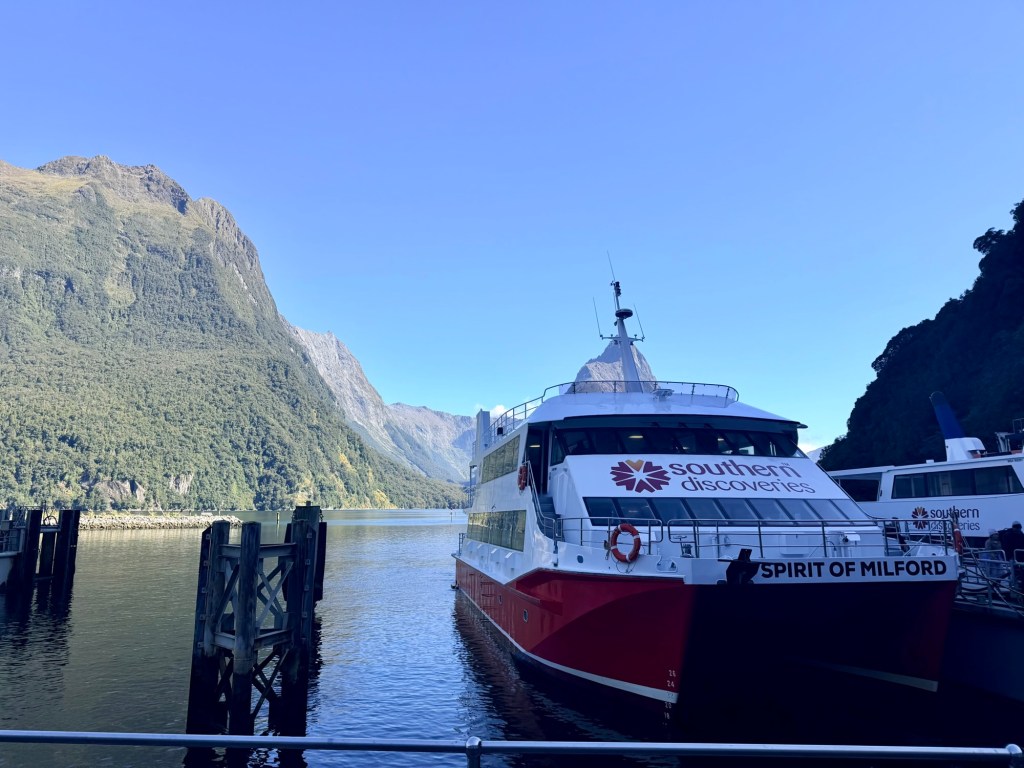
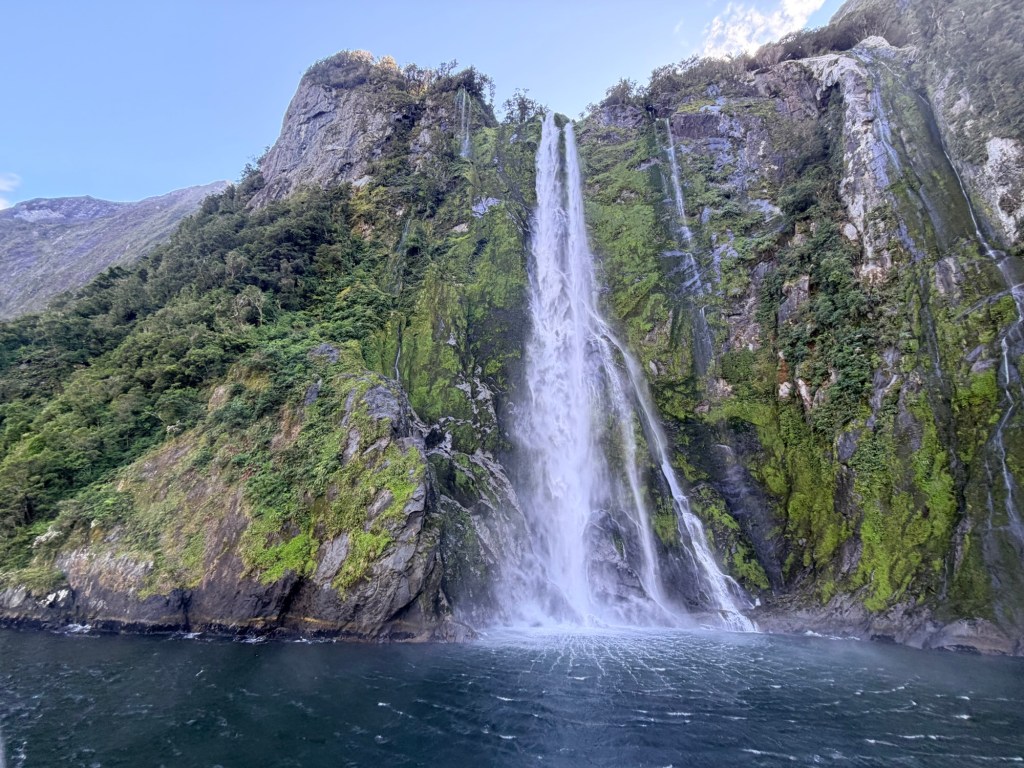
    Towering granite cliffs clinging to impossible angles, and waterfalls everywhere—some permanent like Stirling Falls and Lady Bowen Falls, and others that appear out of nowhere, especially when it rains (we had a blue sky day).

    And then there’s Mitre Peak—rising straight up 5,551 feet like it’s showing off.
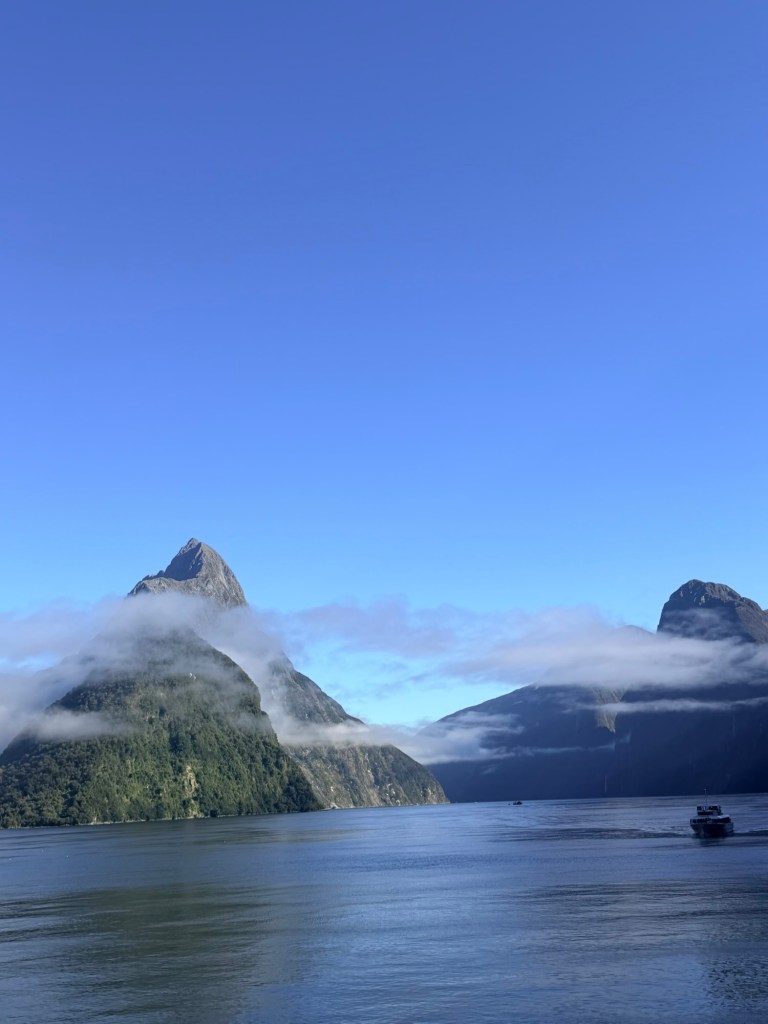
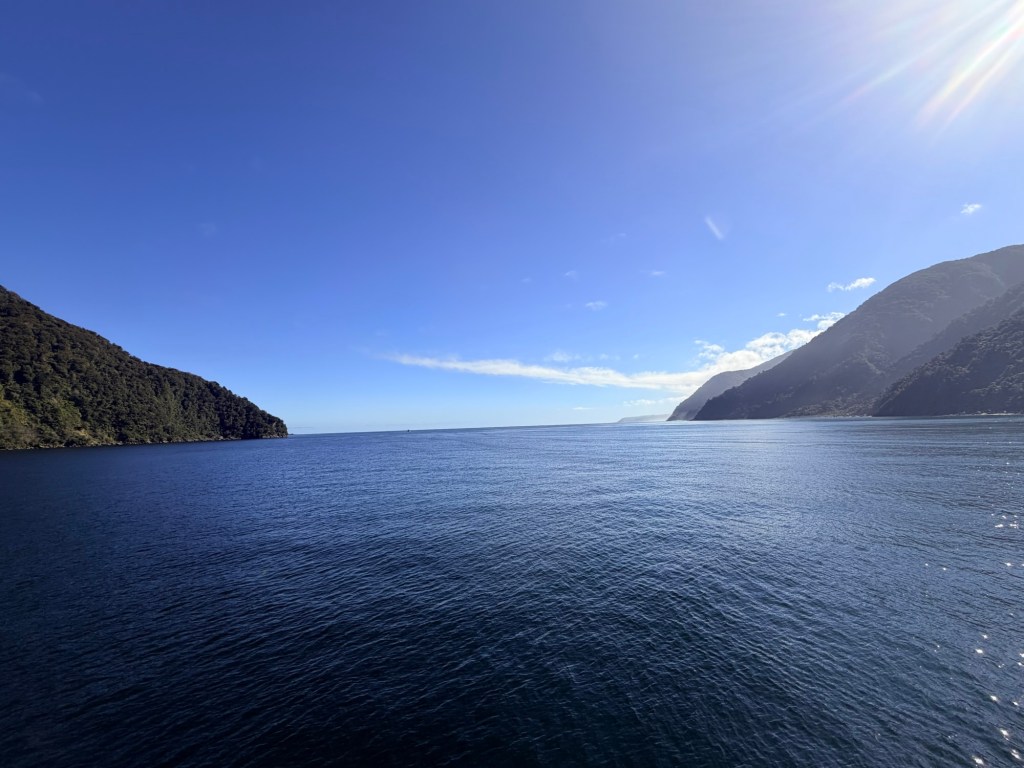
    At the entrance to Milford Sound, opening up to the Tasman Sea.
    Stirling Waterfall – one of two permanent waterfalls. Most of the waterfalls are temporary and happen when it rains.

    Just when it felt like it couldn’t get any better, we spotted a New Zealand fur seal having a little snack in the water, completely unbothered by our presence. Watching it in that setting, with waterfalls crashing around it, felt like we had somehow wandered straight into a nature documentary.
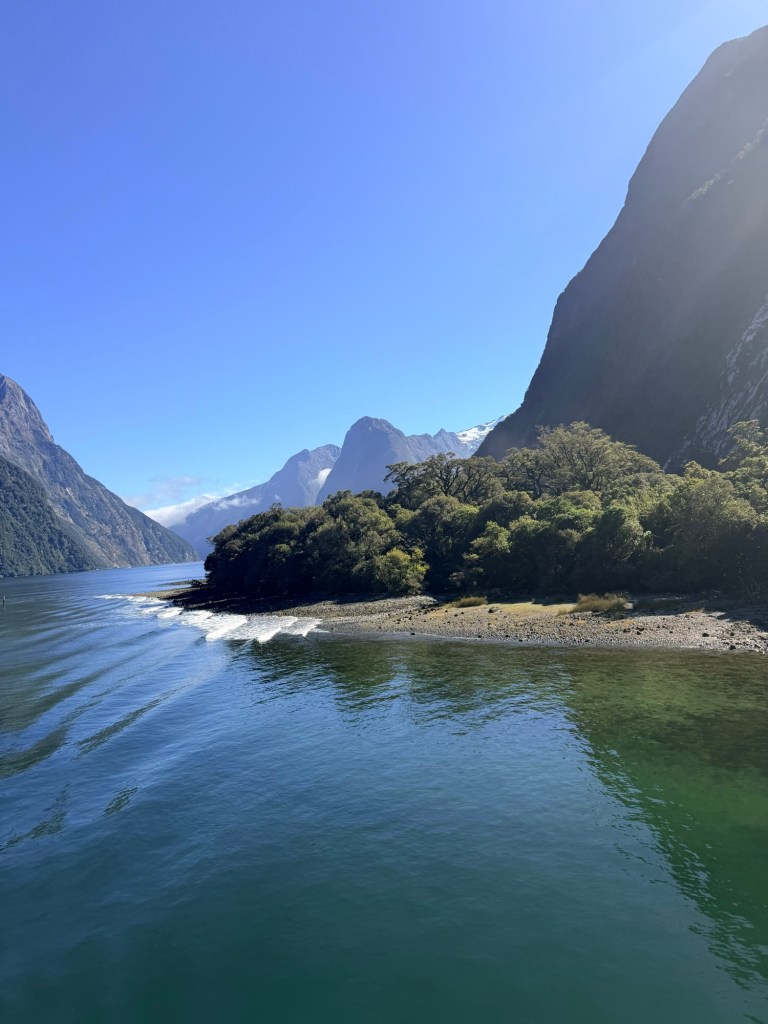
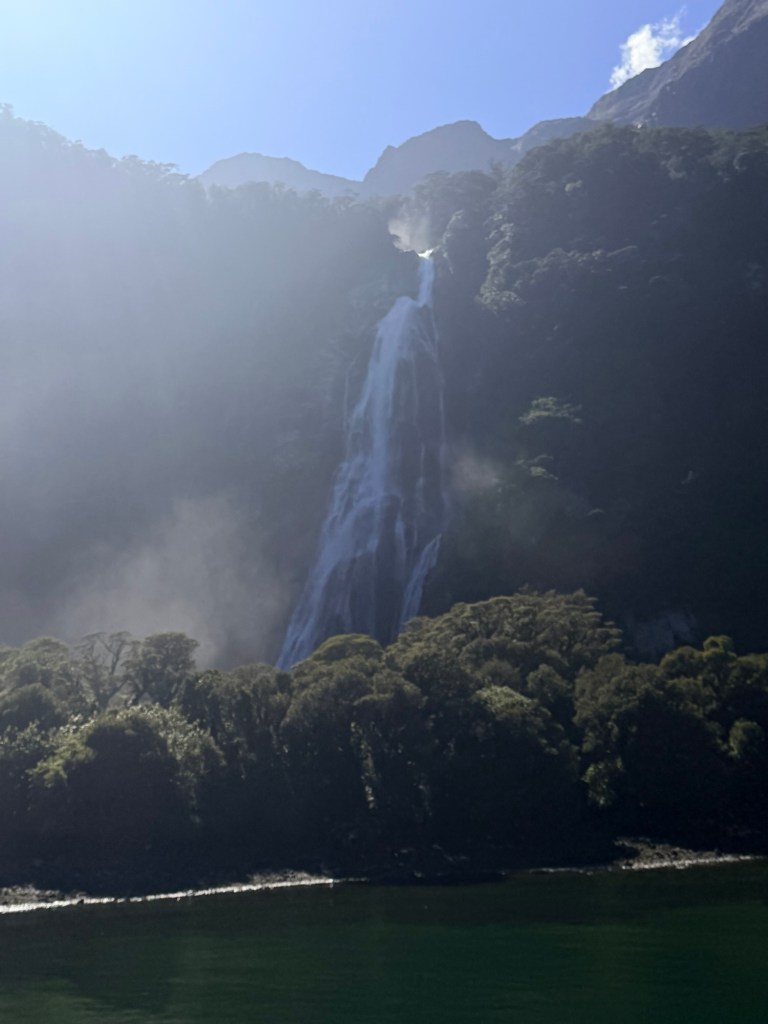
    Lady Bowen Waterfall – the other permanent waterfall. It provides water and electricity to the local town.
    Flight back to Queenstown.
    A glacial lake high up in the mountains.

    A Quick Kiwi Encounter

    Back in Queenstown, we stopped at a kiwi (bird) sanctuary—because you can’t come to New Zealand and not see one.

    Since they’re nocturnal, the sanctuary flips their schedule so you can actually spot the birds foraging “at night” (in the dark). What surprised me most? Their long, skinny beaks with nostrils at the tip, which they use to sniff out food.
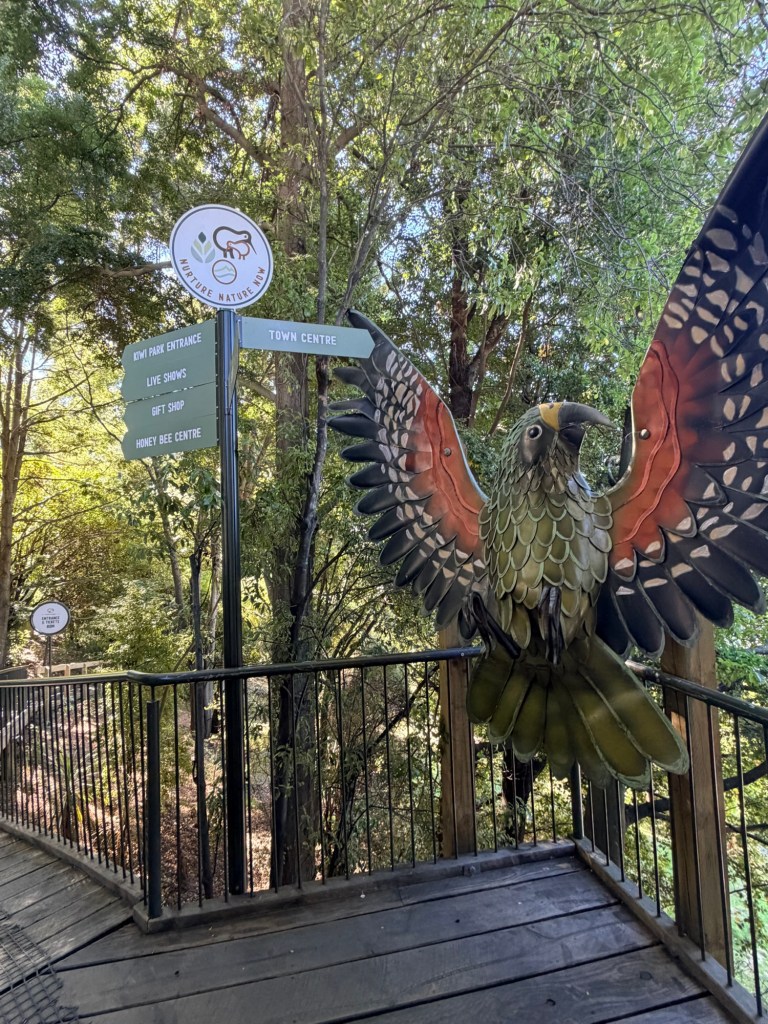
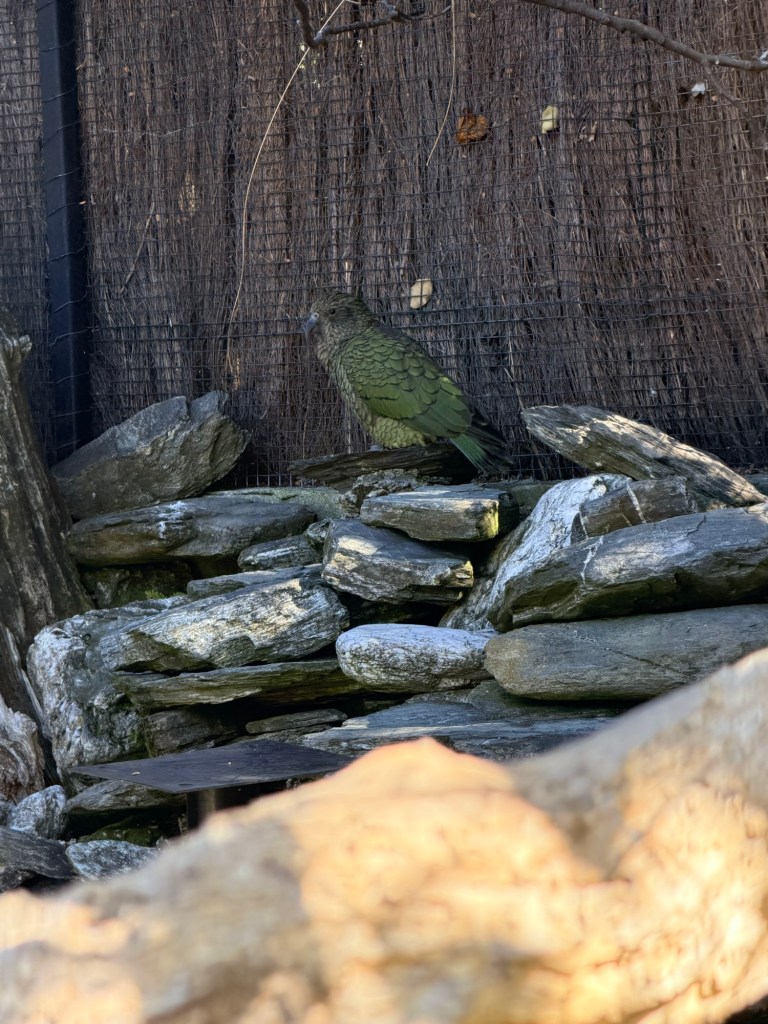
    This is the famous Kea bird. It’s a world‘s only Alpine parrot, native to the South Island, New Zealand. The Kea is very curious and mischievous, pick pocketing small car parts and things off a backpack. It makes a very distinctive kee-aa sound in flight. It took me a back the first time I heard it as I thought it was a kid laughing. 

    And Then… We Floated.

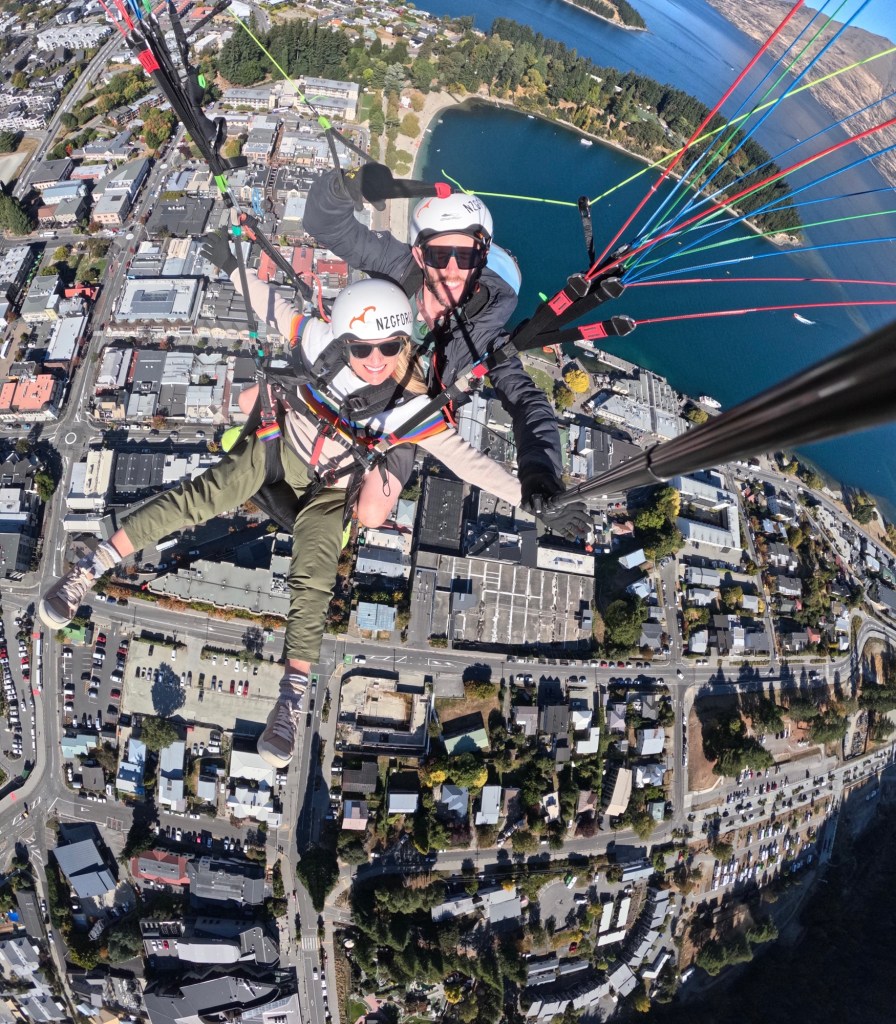
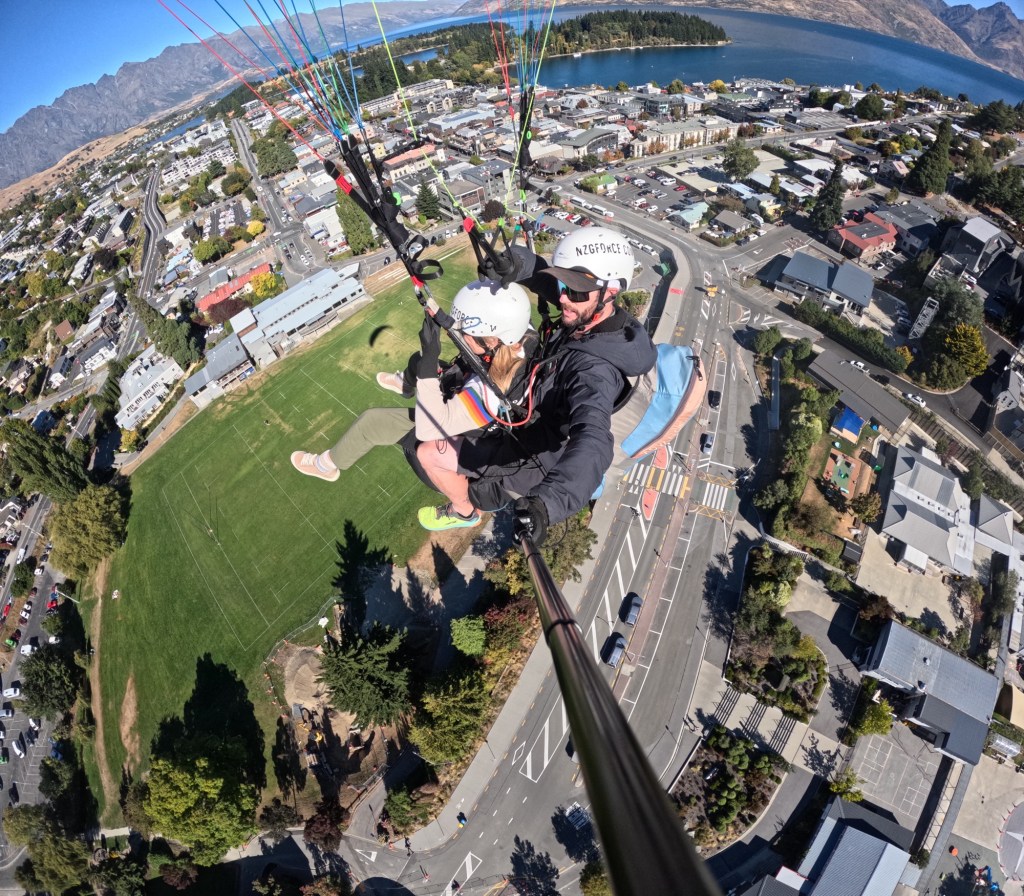
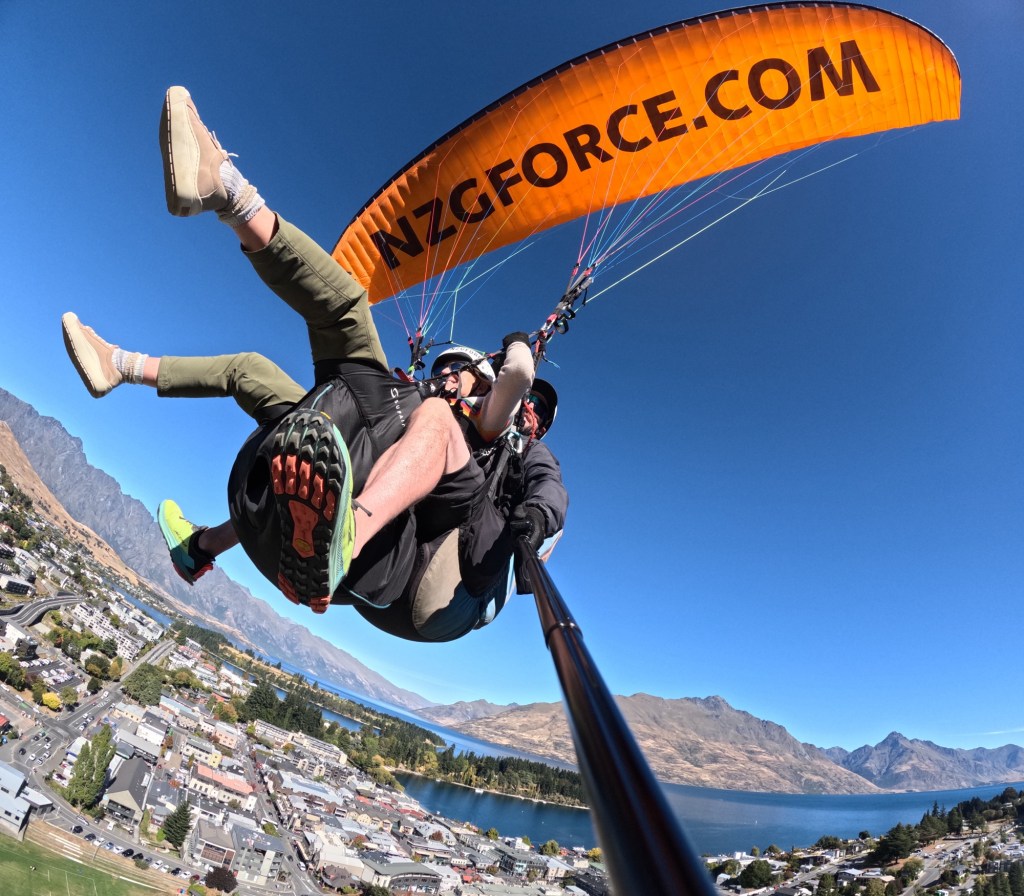
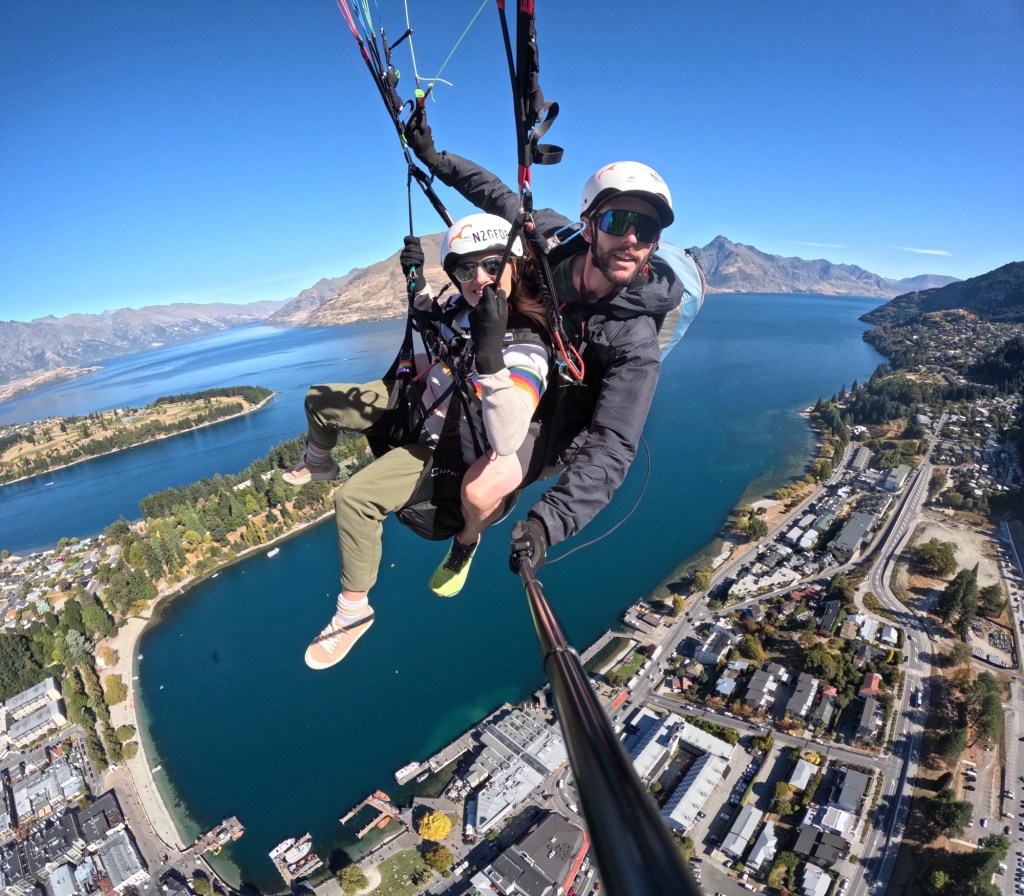
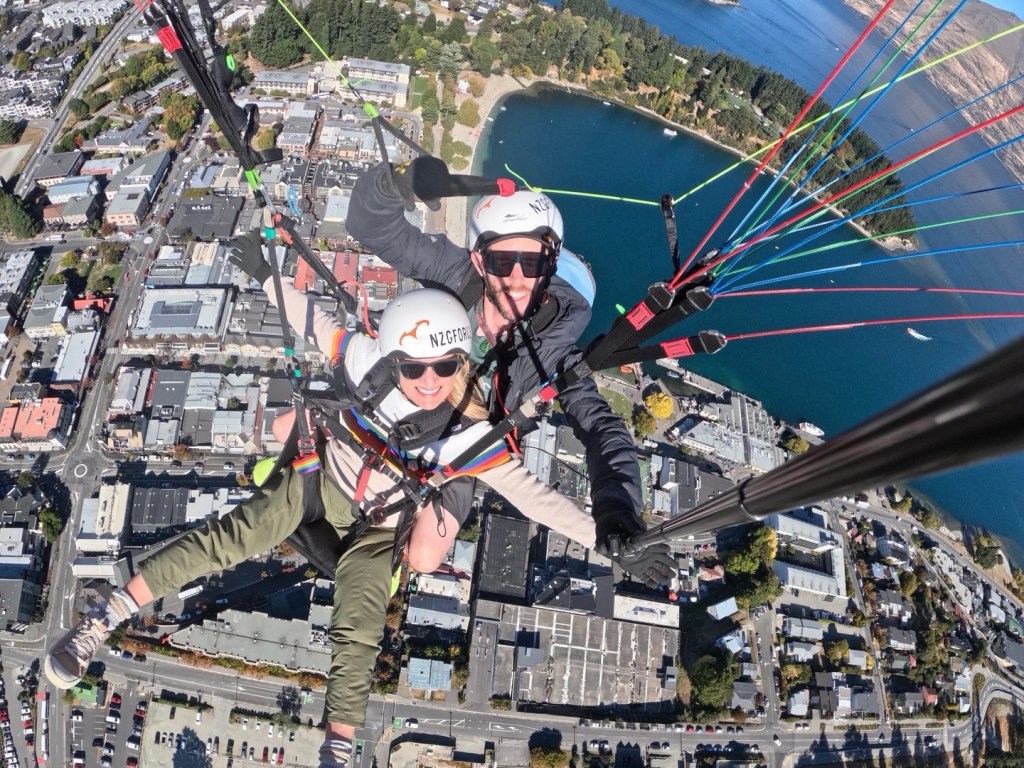
    To round out the day, we tried one of Queenstown’s signature inventions: tandem paragliding with Gforce Paragliding. I had to be talked into this by Brendan but very glad I did it! After all, it was invented here in Queenstown.

    You run a few steps off a mountain (which your brain strongly objects to), and then suddenly… you’re not falling, you’re floating. Quiet, peaceful, and completely mesmerizing as you glide over Lake Wakatipu with views that don’t feel real.

    And then you do a few twists and turns and before long, you’ve landed on your rear end.
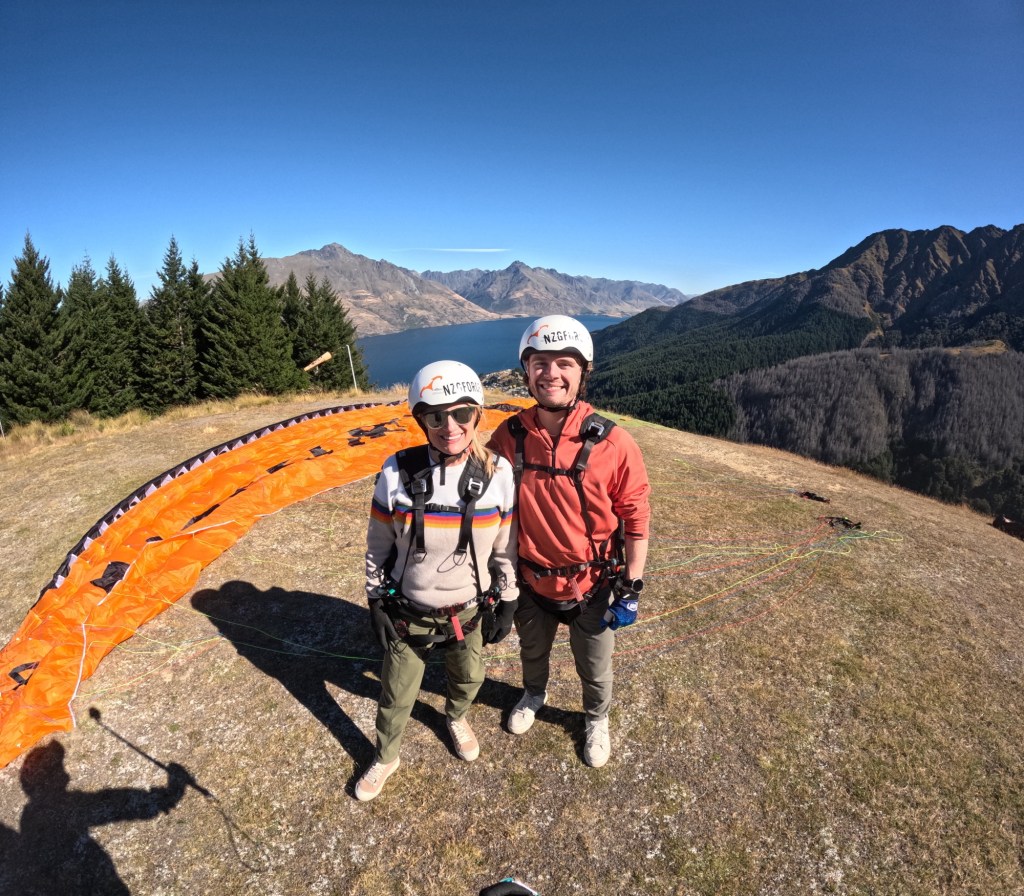
    Queenstown doesn’t do passive sightseeing. Good thing we are not passive people!

    Interesting to note: Tipping is not common in New Zealand. Traditionally, you don’t tip, but you can leave something if you think the service was really good.

    Dessert: The dessert of NZ is pavlova. There’s an going dispute between New Zealand and Australia who invented it. The Kiwis are holding firm to historical facts that point to it being invented in 1926 to honor the Russian ballerina, Anna Pavlova, who visited the country. It’s meringue with a creamy marshmallow-like center, topped with fruit. Yum!!
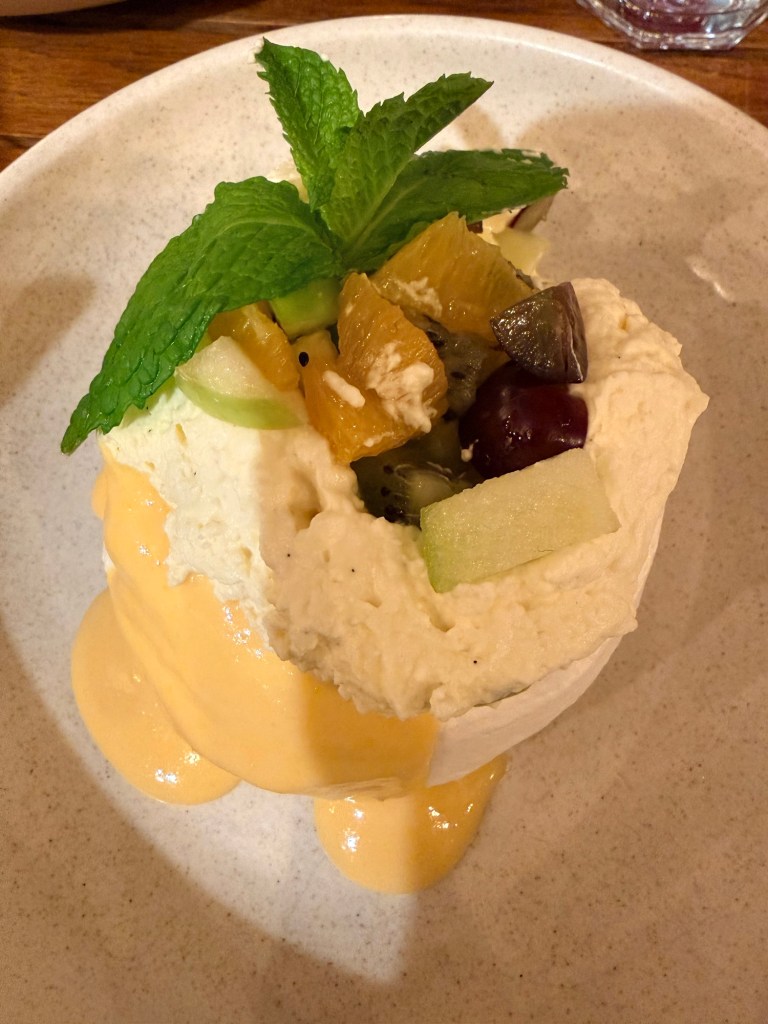
    Pavlova at Public Italian Kitchen in Queenstown.
  • Discovering Byōdō-in, “Temple of Equality” — A treasure in Uji, Japan 🐦‍🔥

    Discovering Byōdō-in, “Temple of Equality” — A treasure in Uji, Japan 🐦‍🔥

    Just a short train 🚄 ride from Kyoto, then a 10 minute peaceful stroll through a neighborhood, and voila—you will find Byōdō-in, a Buddhist temple built in the late Heian period. It’s another UNESCO World Heritage Site, originally built in 998 as a temple for the powerful Fujiwara clan.

    This!!!🧡

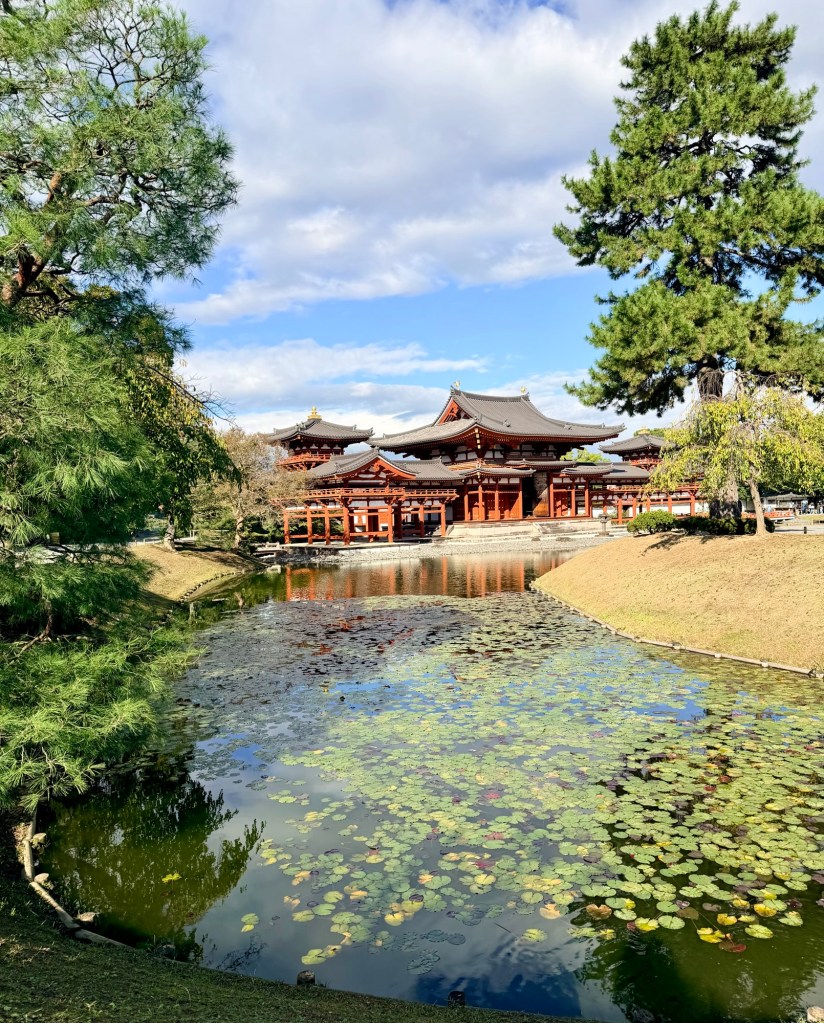
    The stunning Phoenix Hall (Hoo-do) was constructed later in 1053 to serve as a mausoleum for Fujiwara no Yorimichi. It’s considered a National Treasure and adorned with exquisite carvings and gold leaf accents. This hall is shaped like a phoenix, symbolizing rebirth and eternity. We admired the hall from across the pond and could see the Amida Buddha statue, which stands over 3 meters tall (close to 10 feet). Although we were too early to go inside, they say it is surrounded by beautiful murals.

    To say this is an architectural marvel is an understatement. The design, the intricate artwork, the serene gardens…it all works together and the result is stunning. Over the centuries, Byōdō-in has survived fires and disasters. It is so important, it can be found on the 10 yen coin.

    Don’t miss Byōdō-in if you go to Kyoto…you will never regret your visit.

    Also, on the short walk back to the train station, grab a drink at the most serene Starbucks I have ever been to! 

    The gardens at the Uji Starbucks

    Note—here is where we stayed in Kyoto: Via Inn – Loved all facial products they set out for their guests to use!

  • Magical Kyoto—Kinkaku-ji💛 and Kiyomizu-dera🧡

    Magical Kyoto—Kinkaku-ji💛 and Kiyomizu-dera🧡

    We spent two days in Kyoto, a city that makes me feel like I stepped back in time…way back in time to its founding as the imperial capital in 794. Thanks to the Japanese Shichifukujin (Seven Lucky Gods), much of the city was spared from bombing during WWII.

    Sitting in a basin surrounded by mountains on 3 sides, Kyoto is literally bursting with shrines, temples, gardens, 17 UNESCO World Heritage Sites, and historic neighborhood like the geisha district of Gion. It’s a special place that continues to steal my heart 🧡.

    Sigh…where to begin? So much has been written about each of the places we visited. Pictures don’t do them justice. Nor can I post the hundreds of pictures I took (yes, hundreds). Therefore, I’ll share a bit about what I found special about 4 of these breathtaking attractions, two per post.


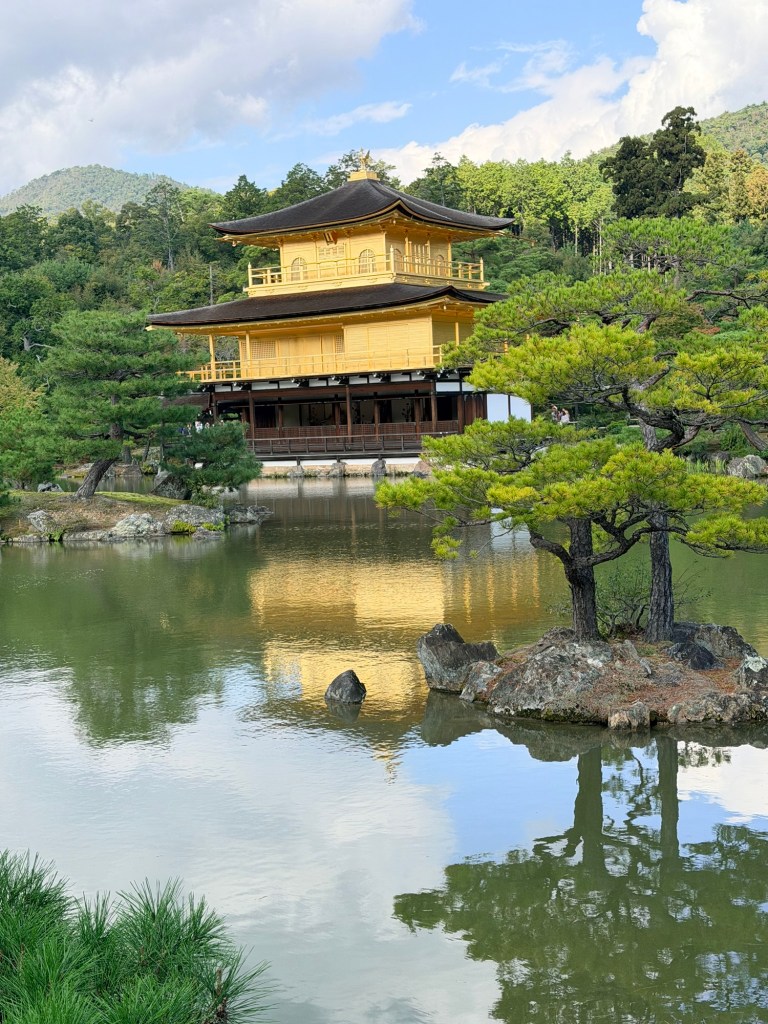
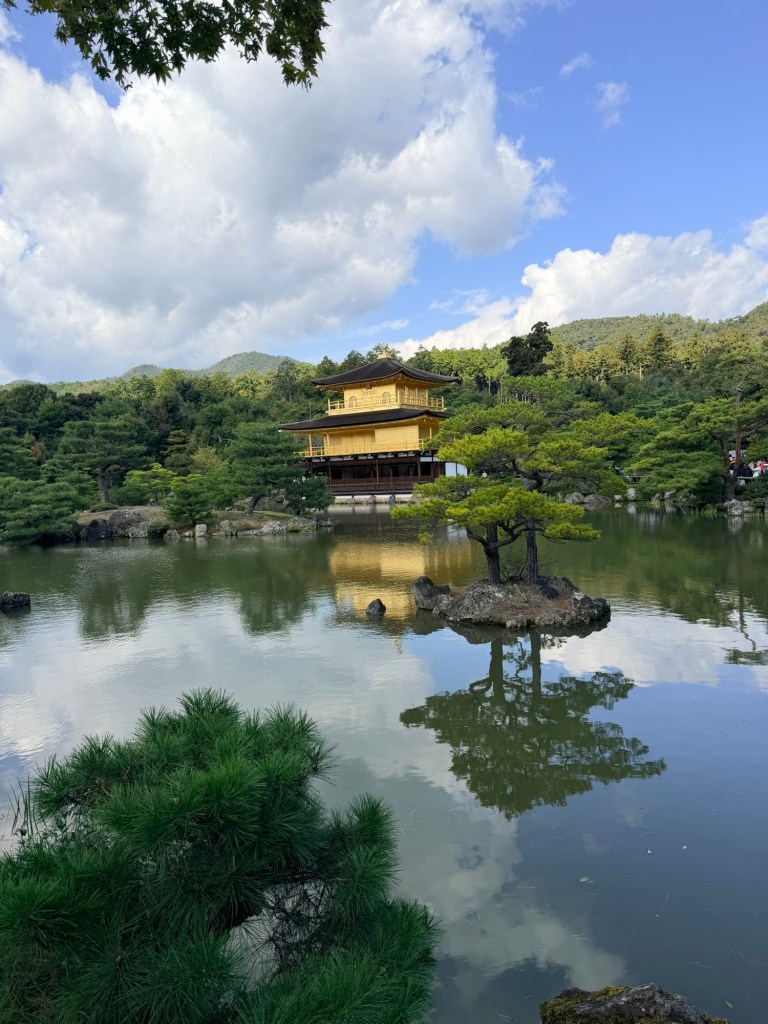
    Kinkaku-ji, the Zen Buddhist temple known as ‘The Temple of the Golden Pavilion’. The top 2 floors are coated in gold leaf. 🍁

    Let’s start at Kinkaku-ji. This was my second time awing this unbelievable temple officially called Rokuon-ji. I could see it 1,000 more times and it wouldn’t change the way I feel about it. And it’s not just me that thinks that way—it is designated as a UNESCO World Heritage Site, a National Special Historic Site, a National Special Landscape, and one of the 17 Historic Monuments of Ancient Kyoto. The original Golden Pavilion is thought to have been built in 1399, with the gold designed to stamp out any negative feelings toward death. When the sunlight hits the temple, the shadows on the water produce a mesmerizing mirror effect.

    The pavilion you see today was rebuilt in 1955 to closely resemble the original. It stands three stories high and 40 feet tall.
    Sorry, not sorry, for posting so many pictures of this little slice of Heaven!

    Next stop—Kiyomizu-dera, a Buddhist temple founded in 778 CE by Enchin Shonin, with the present buildings constructed in 1633 by order of Shogun Tokugawa Iemitsu. Pure Water Temple”, as it is translated to English, nestled at the basin of Mt, Otowa in Eastern Kyoto.

    With over 1200 years of history, it belongs to the Kita-Hosso sect of Japanese Buddhism. We took the train and then walked 20 minutes, uphill on narrow roads, passing by souvenir shops, to the entrance of this masterpiece.

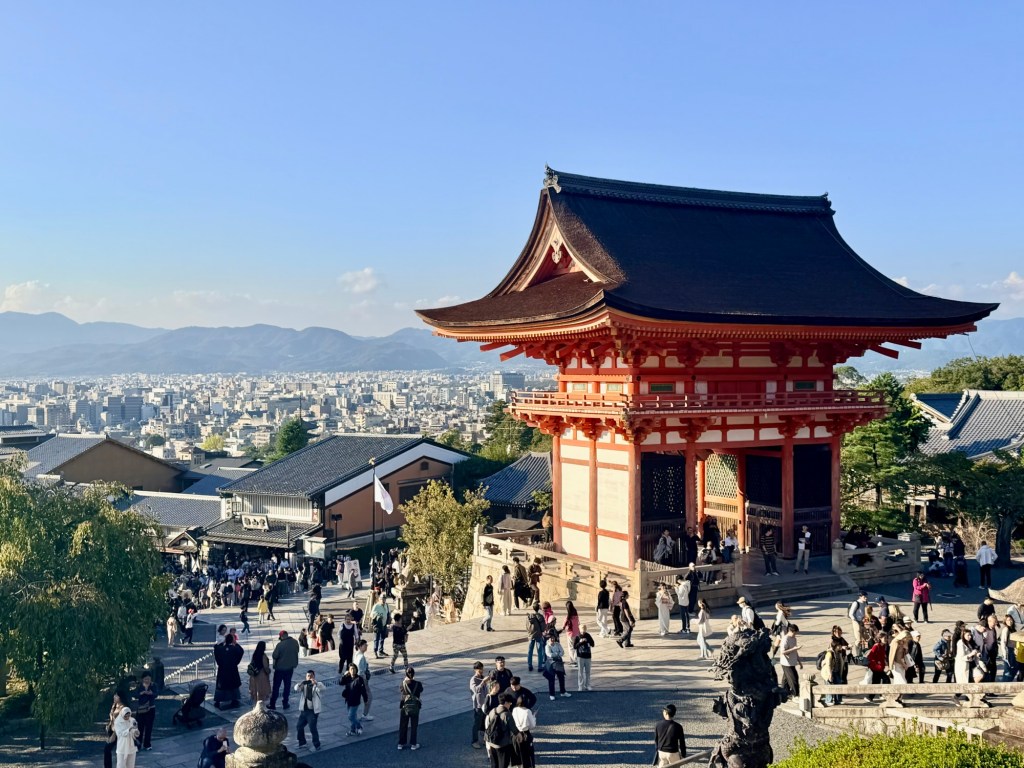
    With over 30 buildings at Kiyomizu-dera, this is the entrance called
    Niōmon Gate
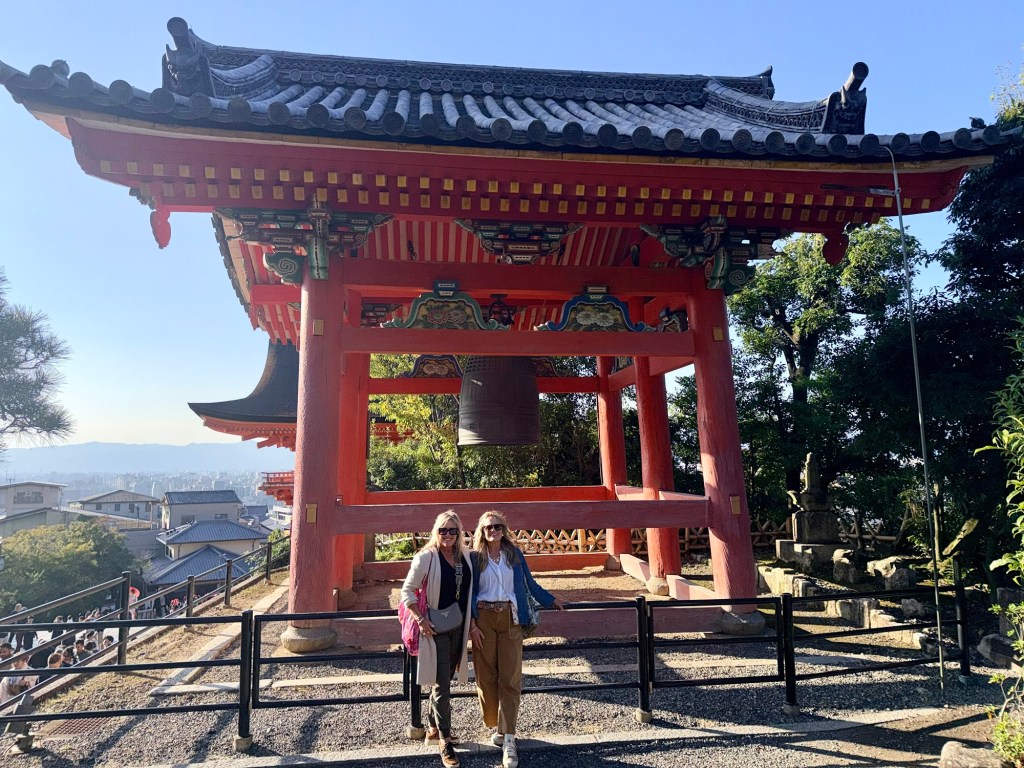
    The Shōrō (Bell Tower) is famous for the ritual known as ‘joya no kane’.  Per Buddhist ritual, the bell is rung 108 times just before midnight on New Year’s Eve, representing the cleansing of the 108 earthly desires that cause pain. It cleanses the soul and creates enlightenment with the 108th ring, ushering in the New Year free from those sufferings. 
    The three-storied pagoda is called Koyasu Pagoda, and is dedicated to safe childbirth.
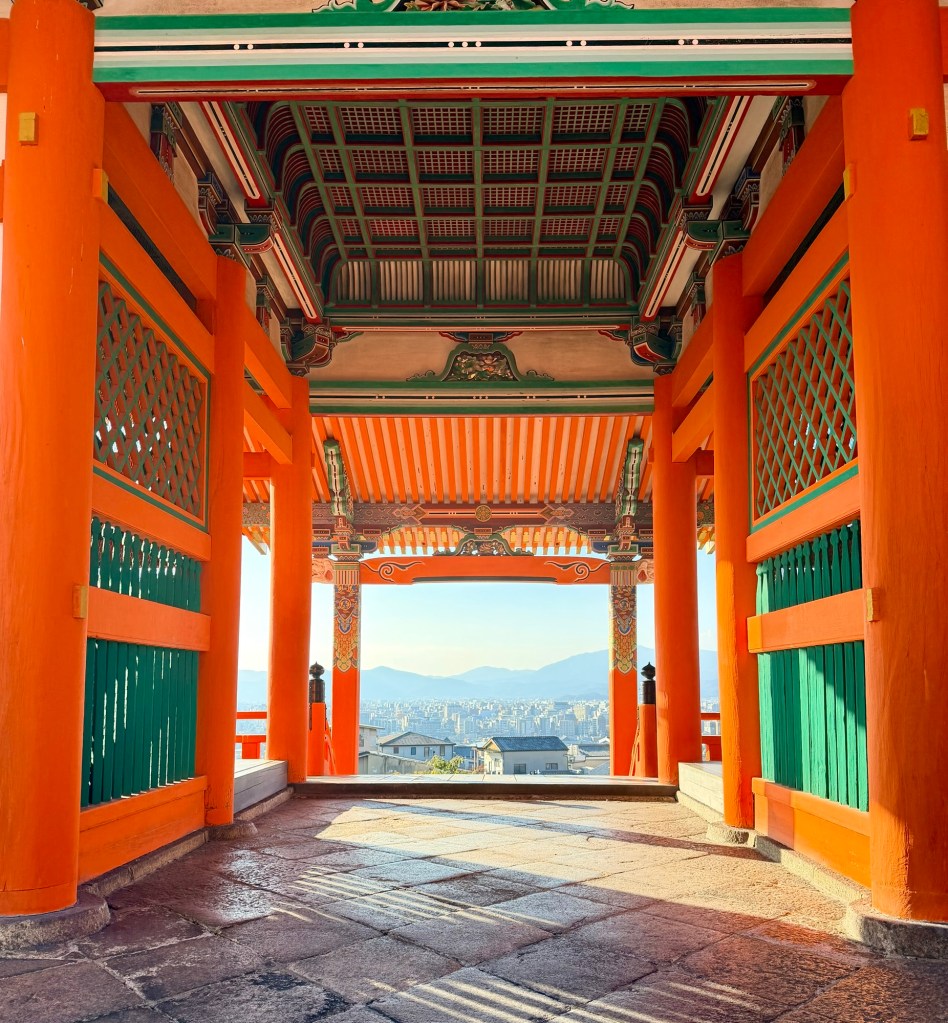
    Talk about a view…World, meet Kyoto!
    The Otowa Waterfall has three streams and each grants a different benefit — longevity, success in school, or a fortunate love life
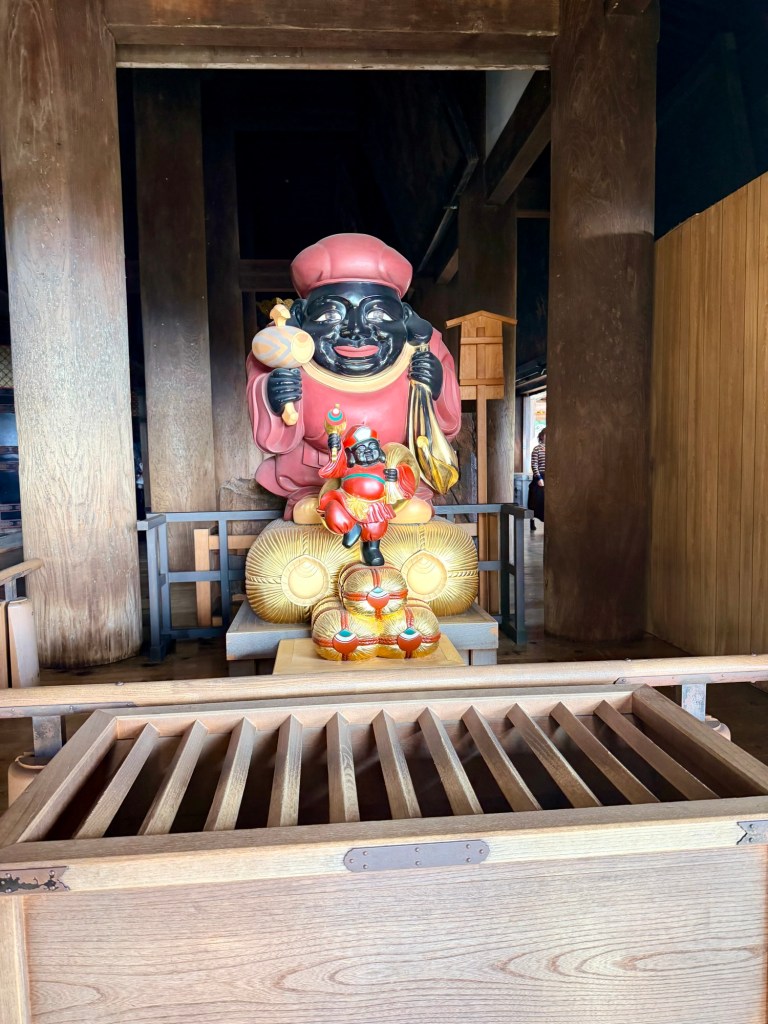
    Daikokuten – one of the Seven Lucky Gods of Japan. He is the god of wealth, commerce, and prosperity.
    A view of the Main Hall (Hondo), the most famous structure built on a steep cliff with a large wooden stage overhanging the hillside. The construction is a joinery method and no nails were used.
    The main hall’s wooden stage sits 13 meters high (again, no nails were used). No pictures are allowed inside the main hall where we were able to ring the bonshō (temple bell) with a mallet.