
We flew into Denver and drove 4.5 hours to see my niece perform her summer musicals at Post Theater in Crawford, NE. We stayed in Chadron, NE—which is a short 1 hour 40 minute drive from our hotel to Keystone, South Dakota. This town lies just outside the entrance of Mount Rushmore National Memorial.
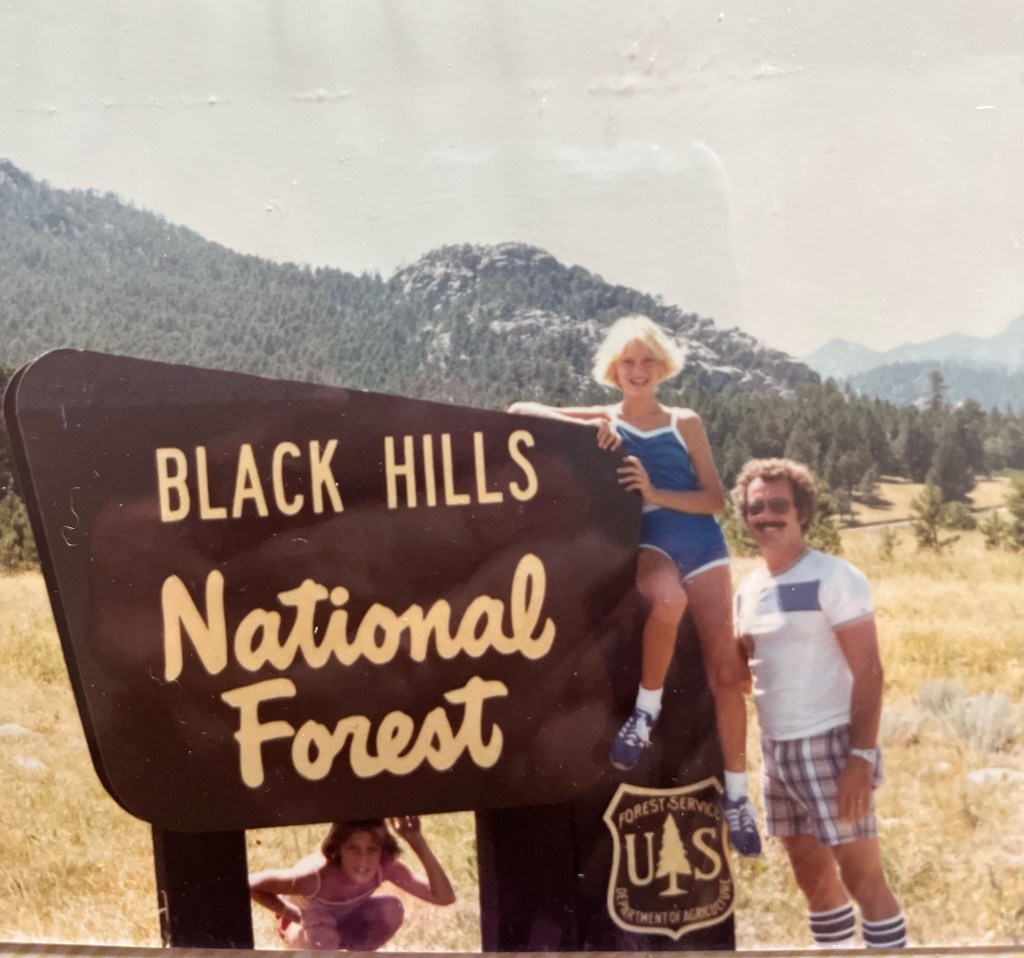
I visited Mount Rushmore as a kid in the summer of 1980–it was one of my favorite vacations. Mom, Dad, my sister and I piled into my dad’s pick up with a camper attached to the bed of the truck. We drove the 15+ hours from St. Louis, Missouri through the Badlands, stopping to see such iconic sites as Mitchell’s Corn Palace, the Flintstone’s Bedrock City in Custer, and watched a reenactment of Wild Bill Hickok’s murder in Deadwood. We camped along the way.

(Thanks for the memories, Mom & Dad!😘)
I remember the awe I felt as a 12 year-old seeing those gigantic president faces carved on Mount Rushmore.
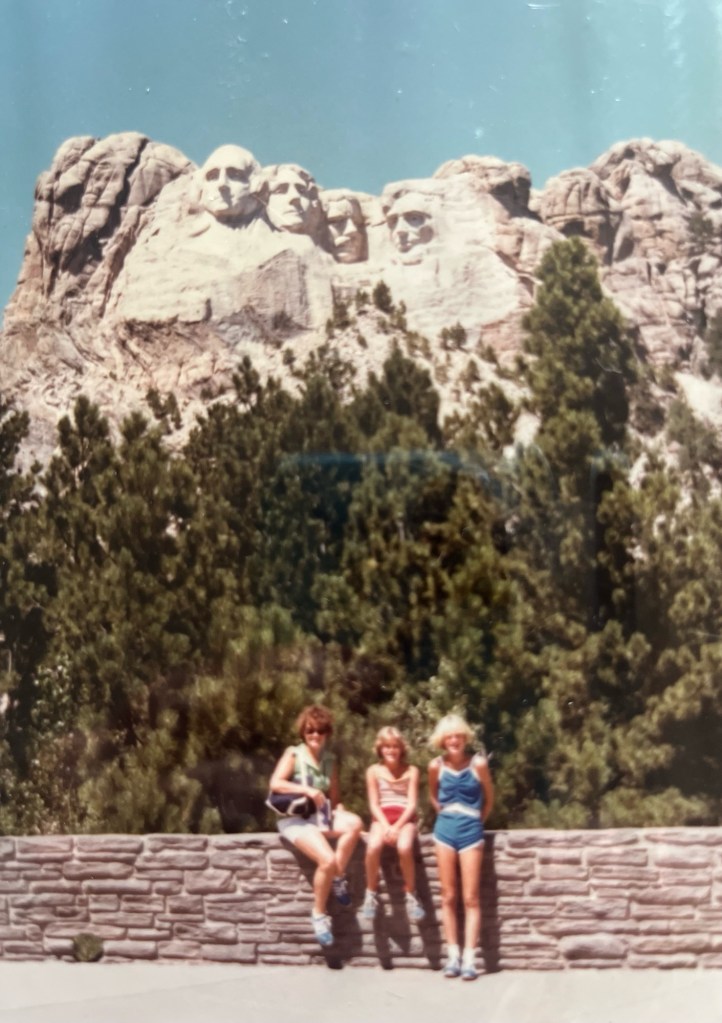
Hey, I think those terry short sets are back in style!🤣
That sense of wonder was experienced again today with my husband, who has never been to Mount Rushmore (he also got a new state in the process!). You enter the Memorial through The Avenue of Flags, a walk way representing the 50 U.S. States, the one district, 3 territories, and two commonwealths. It was built to commemorate our bicentennial celebration in 1976 and leads visitors to The Grand View Terrace and Presidential Trail.

Here’s a quick history lesson/timeline of the things I re-learned on this visit:
1. Mount Rushmore’s history is complex and controversial. It includes the gold rush, displacement, and broken treaties. The Black Hills, where you find Mount Rushmore, belonged to the indigenous peoples of the area, specifically the Lakota Sioux. While Mount Rushmore received its name from Charles Rushmore, a NY attorney who inspected mining claims, the original name was Six Grandfathers, a sacred site used for prayer and spiritual ceremonies. The mountain symbolizes the Lakota’s ancestral deities associated with the six cardinal directions – North, South, East, West, Above (sky), and Below (earth).
2. Early 1920s: South Dakota’s historian, Doane Robinson, suggested the idea to sculpt presidents into the side of a mountain to bring in tourists, although the original site was in another area called The Needles.
3. 1927: Sculptor, Gutzon Borglum was chosen and work began to find the right mountain. They settled on Mount Rushmore.
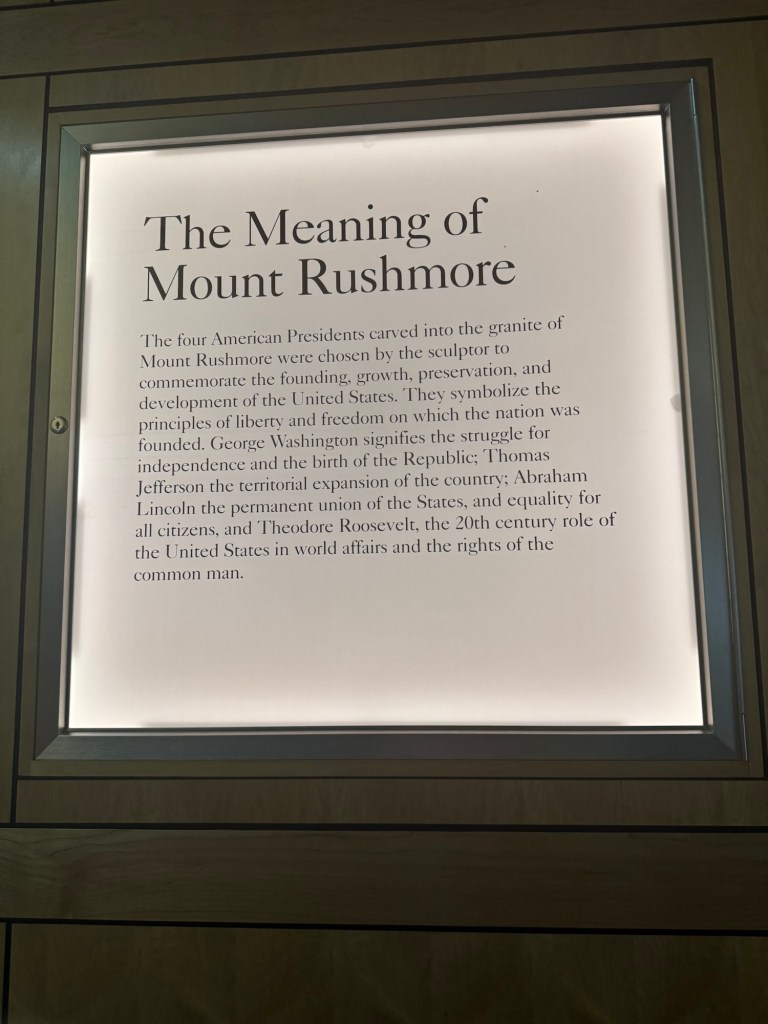
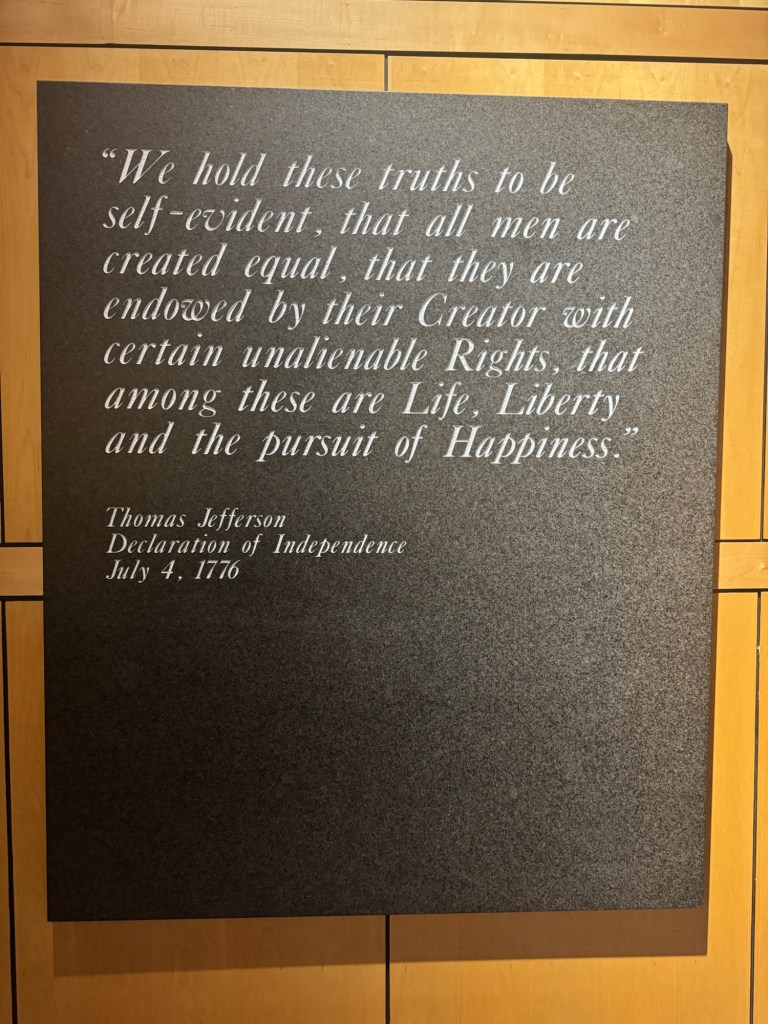
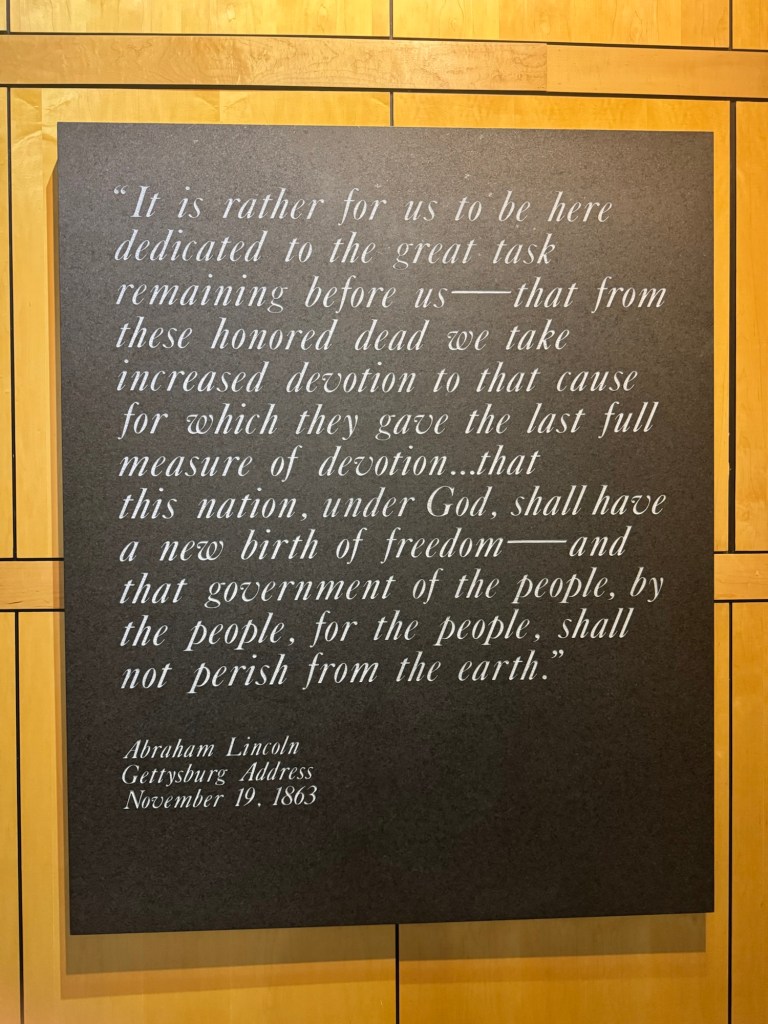
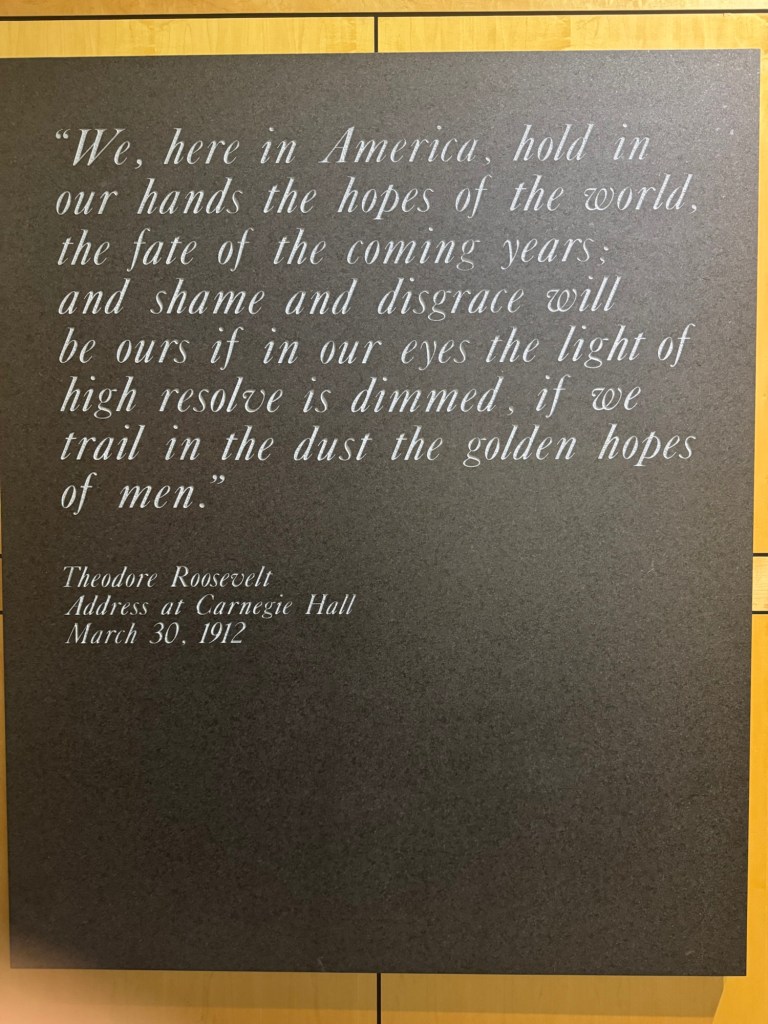
4. The Chosen 4: The four U.S. Presidents on Mount Rushmore were chosen for founding (Washington), growing (Jefferson), preserving (Lincoln), and developing (T. Roosevelt) the U.S.A.
5. Oct. 31, 1941: Construction completes after funding challenges, the looming WWII threat, and the death of Borglum in March. FYI—his son, Lincoln, took over for his father to finish. While it looks complete to me, I watched the film in the visitor’s center where they said it best—the the faces may be defined but it’s rough around the edges, which a metaphor for the USA—while we have accomplished and overcome so much, we are still sculpting our history. How we choose to do that is up to us.

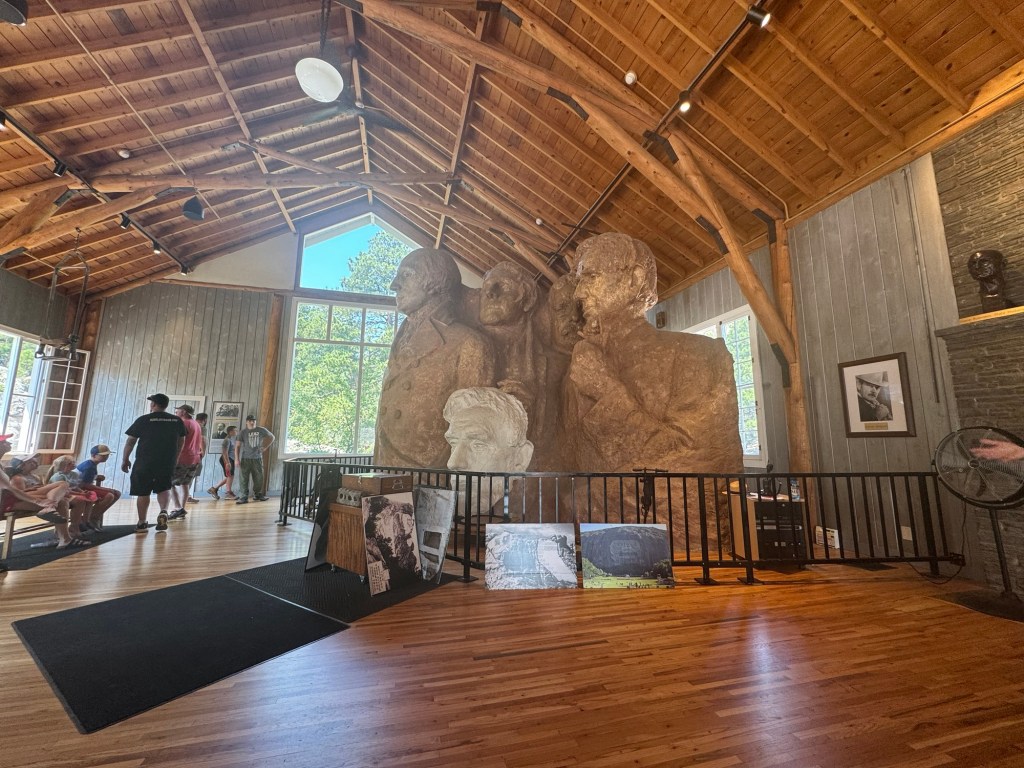

A note on facilities—we found the parking, The Lincoln Borglum’s Visitor Center, Gift Shop, Cafe, and the grounds to be extremely convenient, clean, accessible, and the park staff friendly! For those with a gluten sensitivity, the cafe even has two options for GF bread 🤯
Bonus words—I love the details as to “why” these presidents were chosen. Here are their voices:

Fascinating (and mysterious) Fact—
Borglum’s grand plan included an 800 foot staircase ascending the Mount Rushmore to the Hall of Records, a large room within the mountain, to house important U.S. documents such as the Constitution and the Declaration of Independence. Also, there would be busts of famous Americans and a list of U.S. contributions to the world in science, industry and the arts.
The plan was abandoned for a variety of reasons and what remains today is the hall’s 18-foot-tall doorway that looks like the entrance to an ancient tomb of an Egyptian Pharaoh and small chamber (75 feet long with a 35-foot-tall ceiling), located behind the head of Lincoln.
If you’d like more details, including what is housed there today😊, here is the full story on the park’s website.

 Christina’s Journey Journal
Leave a reply to grandmacindysue04 Cancel reply